Yarner Woodland Reserve Guided Walk and Sing
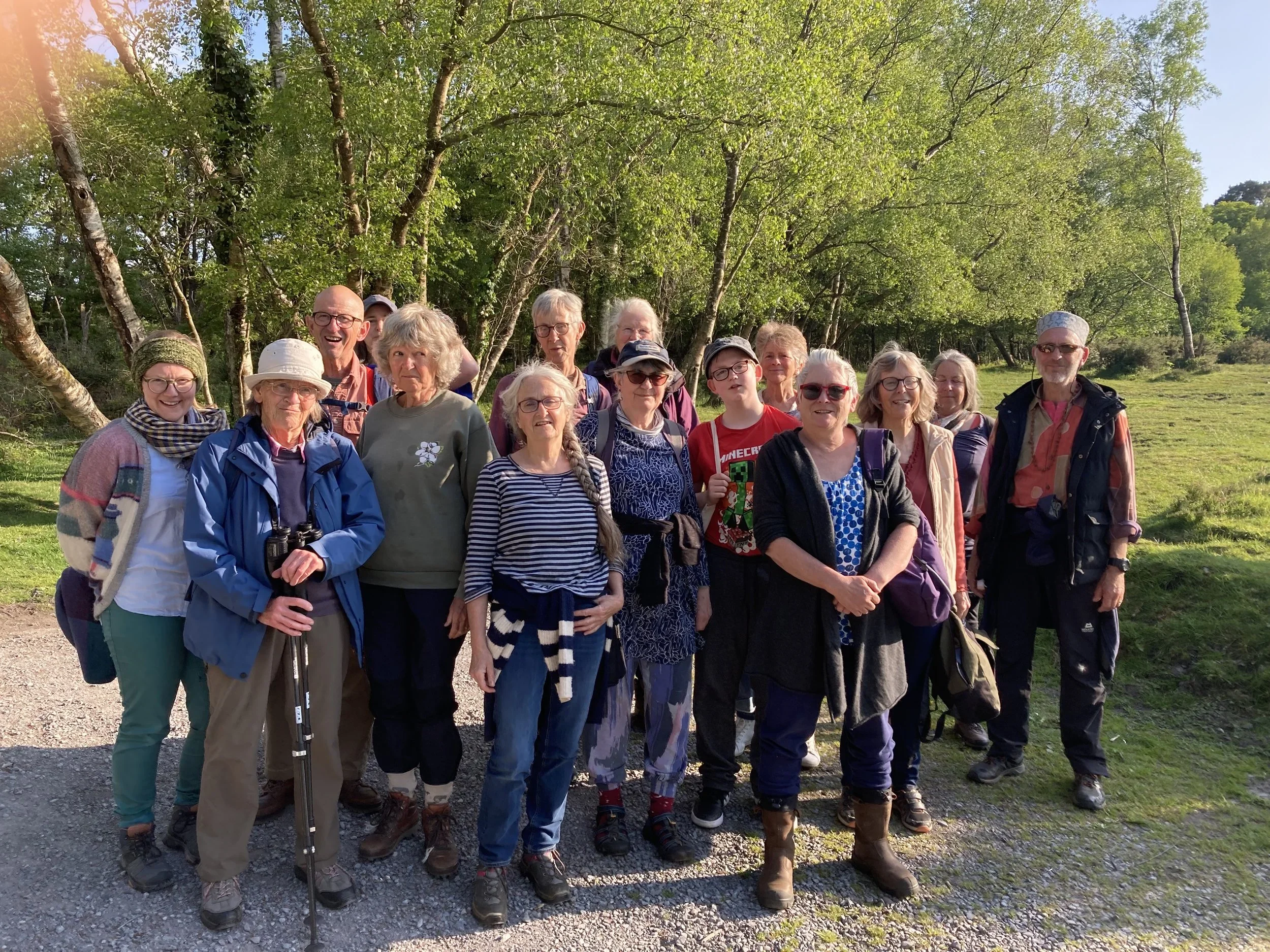
It is now widely accepted that being in woodlands and forests has measurable benefits for health and wellbeing. Likewise, singing socially in choirs can improve mental health and community cohesion. In May 2023, as part of NNR Week celebrating our National Nature Reserves, the Dartmoor Harmony choir, led by Bee Denning, visited Yarner Woodland Reserve to take a guided tour with Reserve Manager, Albert Knott, to experience the combined joys of singing and woodland walking. Meeting at Trendlebere, we set out to learn about the ecology and history of this unique oak woodland, and to sing in tribute, to the trees, the water courses, the wildlife, and to ourselves.
Listen to the audio snippets from that day, where you can gain some fascinating woodland ecology insights courtesy of Albert. The entire recording, with singing included, is to be found at the end of this list of sound file segments.
Starting at the woodbank edge, an indicator of an ancient woodland, Albert introduces the choir to Yarner Woodland Reserve. But what is the purpose of a woodbank?
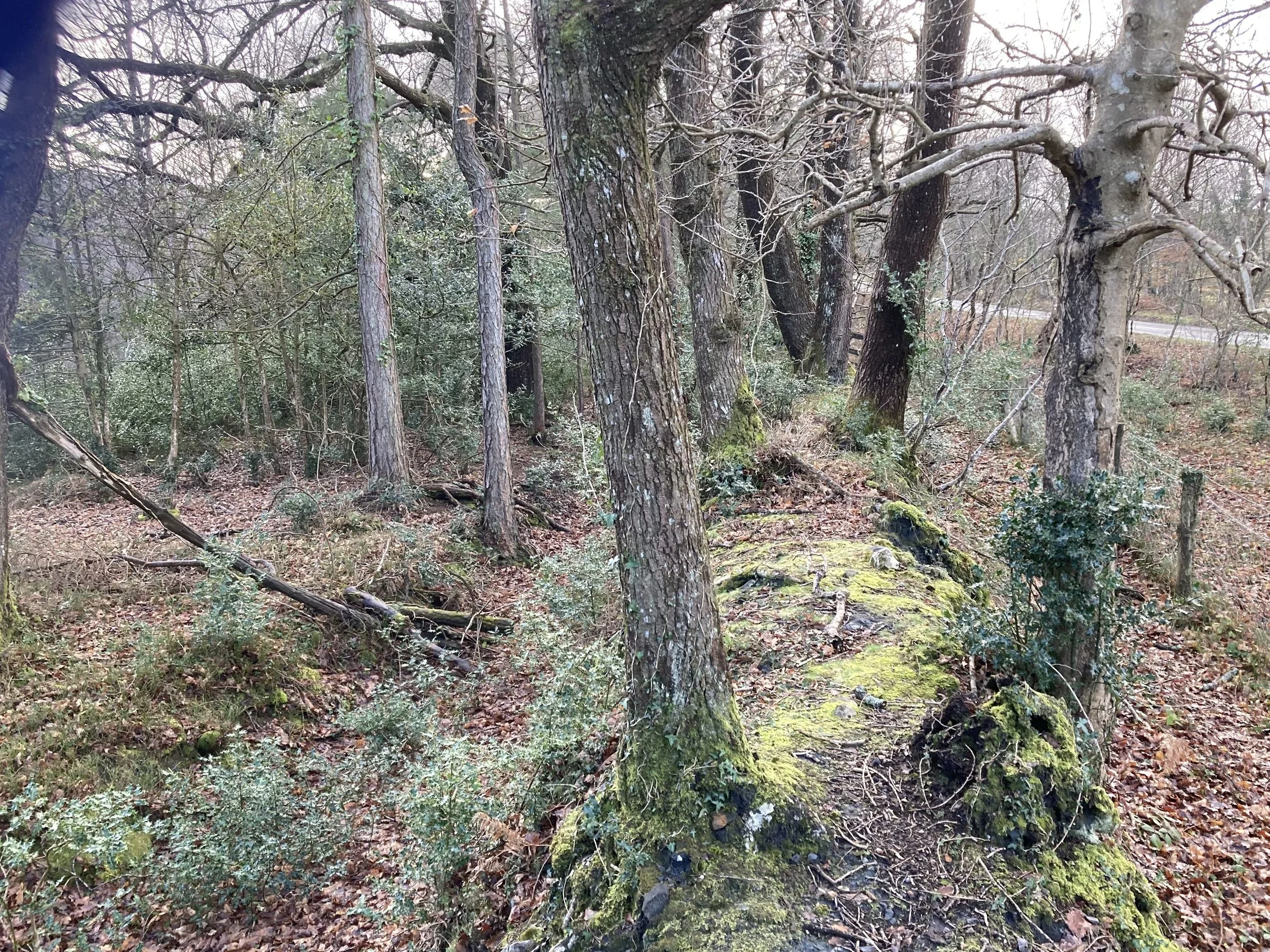
2. Access to and through the Yarner woodland is via a series of rides, old horse and cart tracks that have been carved into the landscape over the years. At Firebreak Ride, we pick up an oak leaf and learn how to identify the difference between peduncular and sessile oak.
3. How are ponies contributing to the ecology of Yarner woodland? Controlling the abundant holly, for one thing, but why is there so much holly, and wood ants?
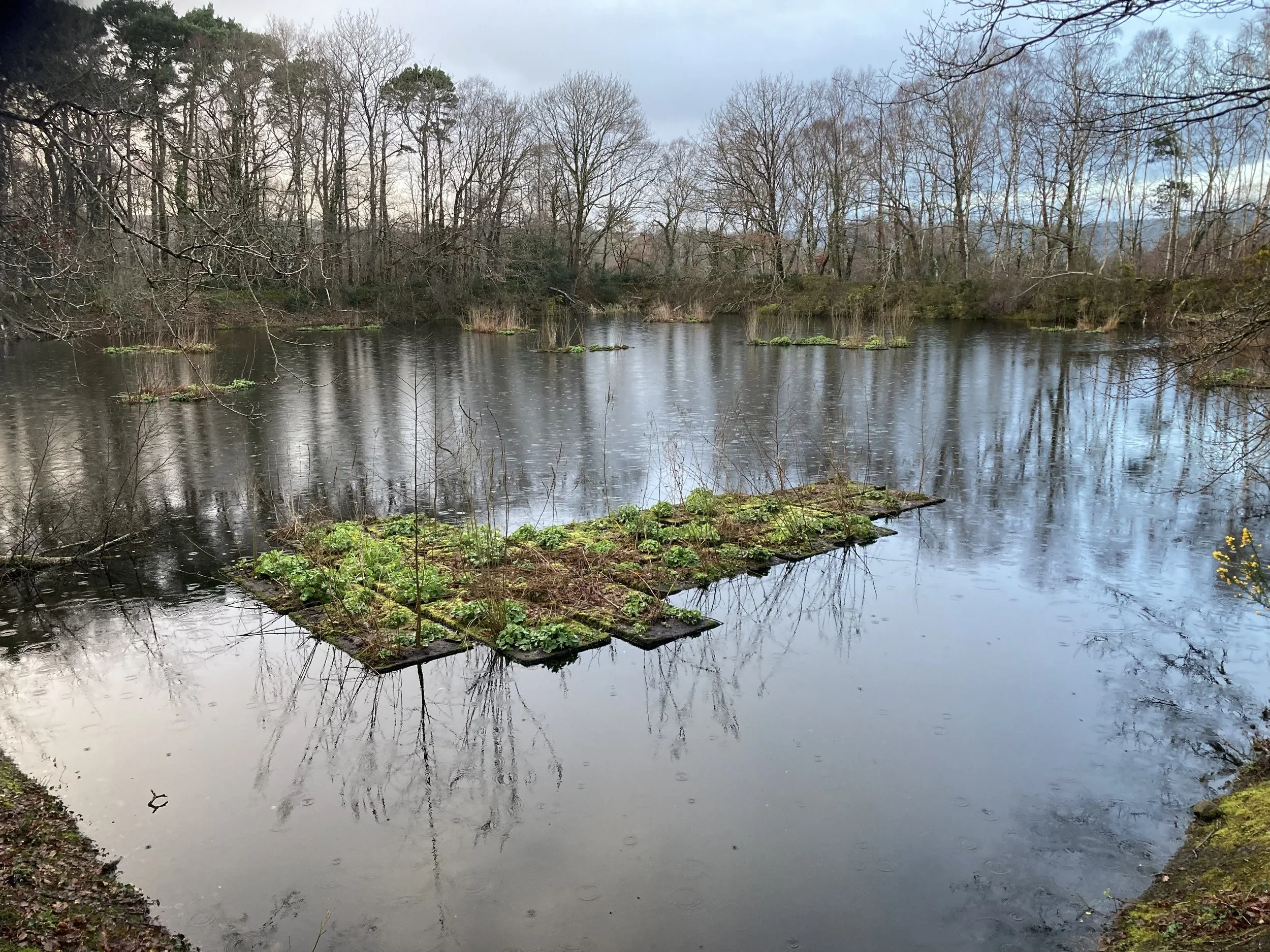
4. The Yarner reservoir is a hidden gem, and by creating a series of false islands a watery habitat has been allowed to emerge for those creatures that need it, but which amphibian has benefited more than most?
5. At the river floodplain we contemplate the acidic soil ground layer of bluebells, bilberry, and holly.
6. Still at the river, Albert explains why the dug-in stream on the floodplain is a problem, but what creature is best placed to tackle floodplains? Also, we discuss the migration pattern of one of Yarner's most treasured visitors, the Pied Flycatcher.
7. Learn how a charcoal platform with rudimentary kiln would have been built for the woodland economy of Yarner centuries ago. Fuel, glass and other charcoal-based products were the basis of a way of life long since disappeared.
8. Discover where the hand-built Bovey Pottery leat travels to, and how it maintained the copper mine in Yarner, conjuring an historical image of a busy, populace working woodland.
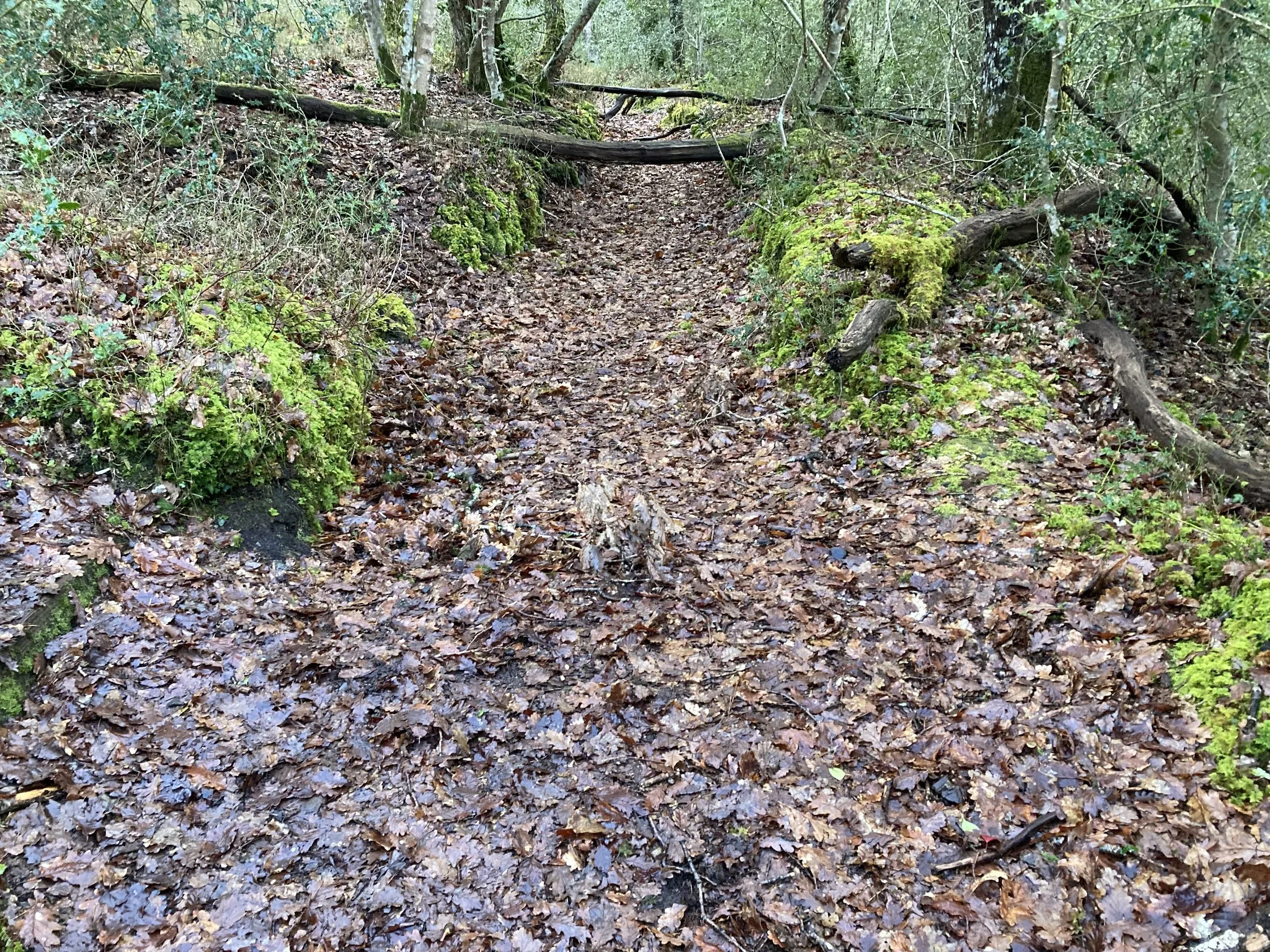
9. What is internationally important about the Yarner Woodland Reserve and what wildlife does this special habitat attract?
10. We come to the end of our tour on the heathland of Trendlebere Down, a patchwork of medieval fields and gorse scrub, but what impact does fire, grazing and peat removal have on this landscape?
Here is the recorded tour in its entirety, including the Dartmoor Harmony choir singing. Apologies for some of the outdoor recording distortion. Enjoy!