
Ancient Woodland Restoration on Dartmoor
Written by: Danielle Semple
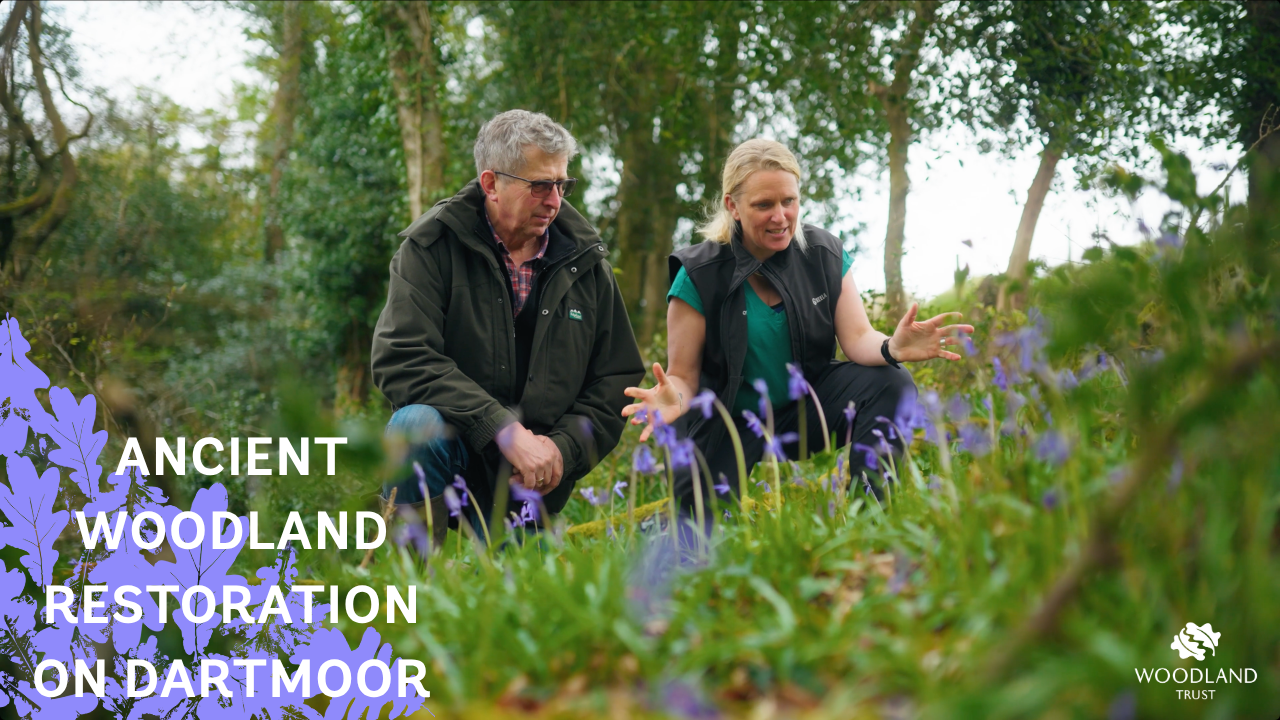
Landowners urged to get advice from Woodland Trust to put woodlands into active management. Credit: Woven Films.
Restoring woodlands can be seen as an expensive operation that is time-consuming and requires expert knowledge, but our team on Dartmoor have found innovative ways to make woodland management economically viable. We can provide expert knowledge and share this innovation to help other landowners get their woodlands into active management and boost local ecology. Thanks to Dartmoor’s Dynamic Landscapes National Lottery Heritage Fund project and our Wood n’ Moor element, we are supporting landowners with everything from initial woodland assessment, to felling trees (as part of the restoration process) and finding a buyer for that timber, which pays for the restoration. A win-win especially for landowners who have lots of competing priorities in terms of time and expenses.
Many woodlands across Dartmoor were planted up with fast growing non-native species after the war and have been left unmanaged for decades, meaning they have become congested and dark. Most of these woodlands have the potential to support temperate rainforest species like rare lichens, insects and birds. These species require light, open spaces with native broadleaf trees.
To create these habitats, we need to thin the woodland gradually to let light reach the forest floor. This will allow native trees to establish and create a more diverse habitat for a wide range of species. The harvested timber can then be sold into the local supply chain.
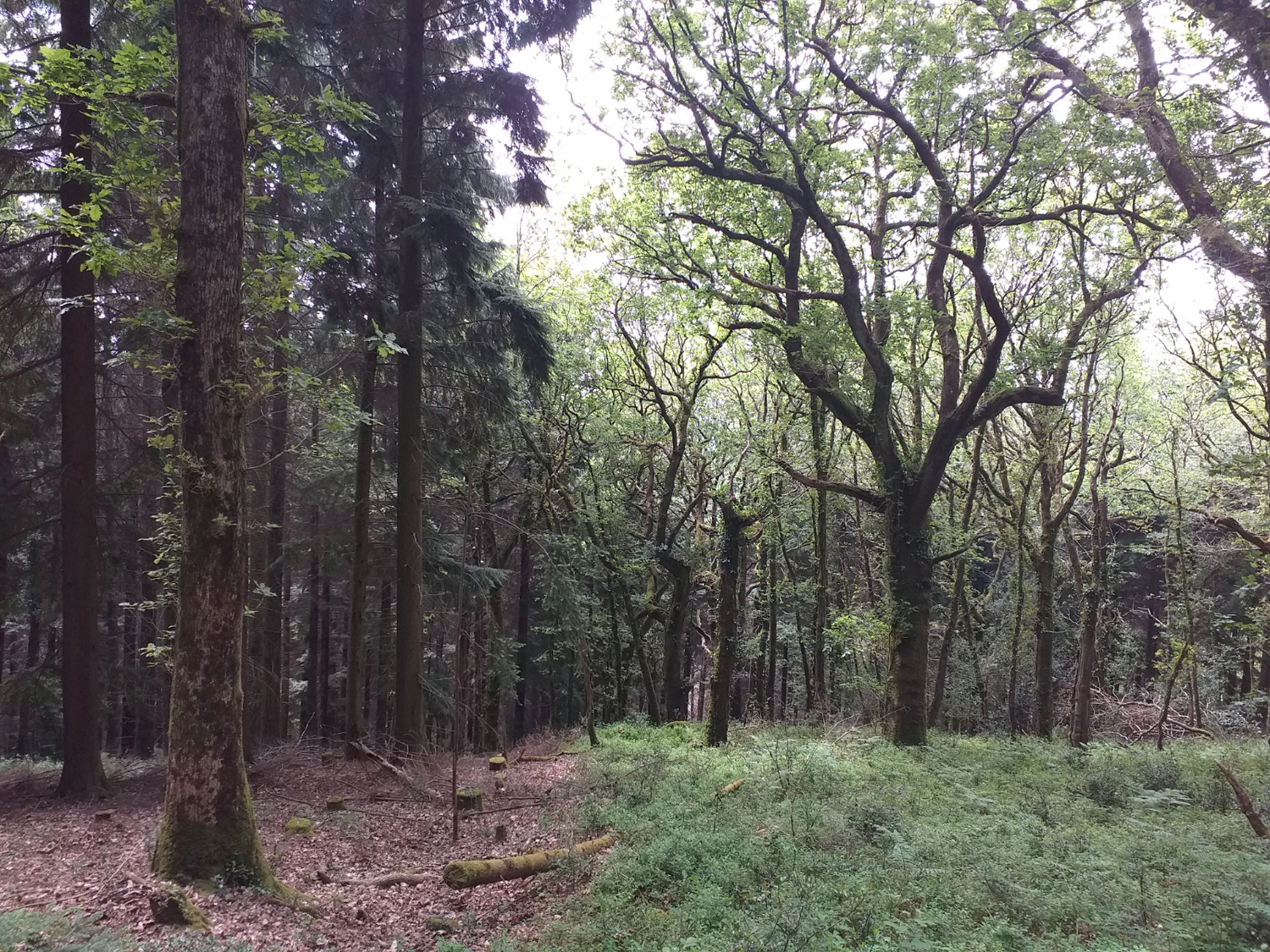
Before and after woodland restoration. Credit: Sam Manning.
Our State of Woods and Trees report found that most of our woodlands are in poor ecological condition. We can improve the health of these woodlands and reduce the need to import timber from abroad, which will support more local businesses, reduce disease transmission, and use of fossil fuels in transportation of timber.
Below is an example of one of the landowners we have worked with to restore their woodland.
Martin Littlejons is a farmer we have worked with recently on Dartmoor. He wanted to start managing a small block ancient woodland planted up with Larch on his farm after thinking about it for years. He is ready to leave a legacy on his farm that will stay standing for hundreds of years to come. He told us “I knew the woods needed maintenance, things doing to it, but never had time and financially it would cost me a lot of money. You came along and it seemed like a good idea, you did all the processes and paperwork. This is what I was looking for”.
After the harvesting finished, Martin said "[The wood] seems to have woken up, that’s how I can put it”. As a farmer if you think you haven’t got time for this, there is not a lot of time you need to spend because it is being done for you.”
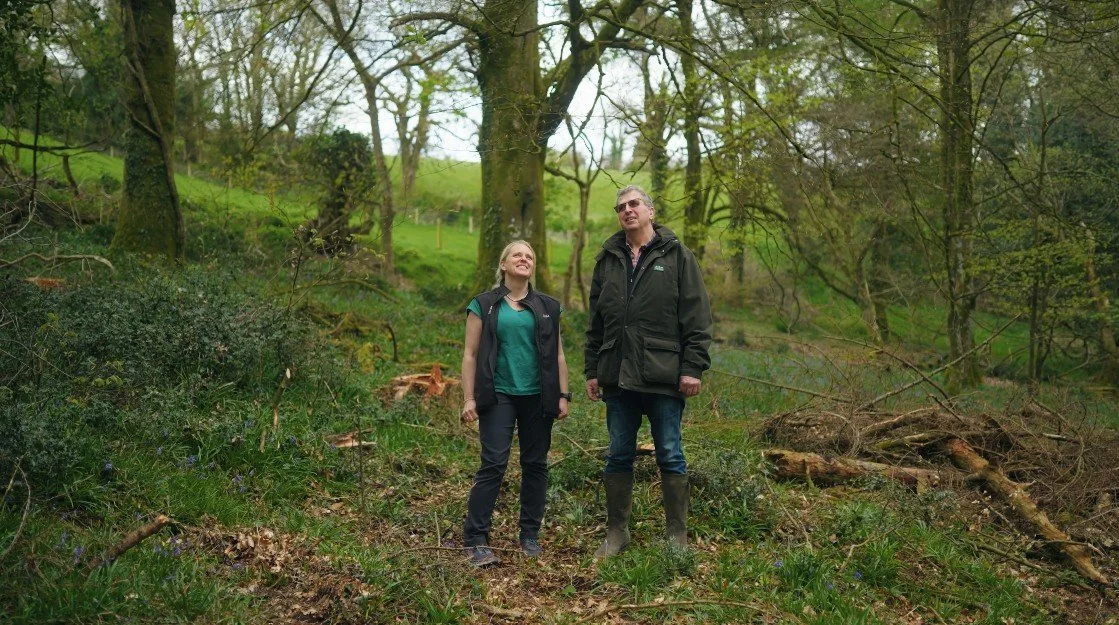
Martin and Jess admiring the light coming through the tops of the trees. Credit: Woven Films.
We have also worked with Ivybridge Town Council on their woodland, Longtimber Woods. This is an ancient woodland and temperate rainforest site with the River Erme running through the centre of it. It is therefore an important wildlife corridor for many different species. When it became clear that the spruce timber requiring removal was too large to be managed using traditional methods, the Woodland Trust was brought in to work in partnership with the Council and lead the project. The spruce was milled on site keeping disturbance to a minimum and the process will continue over a few years to let light slowly reach the forest floor.
Emily Riddick, Community Development Manager from Ivybridge town council said “Our partnership with the Woodland Trust has been invaluable in helping us restore and enhance Longtimber Woods. This is such an important woodland for our community, and knowing that this work will encourage more wildlife and native trees to thrive is brilliant for people’s wellbeing as well as for the environment. By working together, we can protect and strengthen this special place so it can be enjoyed by wildlife and our community for generations to come.”
Not only does this work benefit the landowner, but it can also work with those using the timber. Below are examples of two organisations we have worked with to supply locally sourced timber for their construction projects.
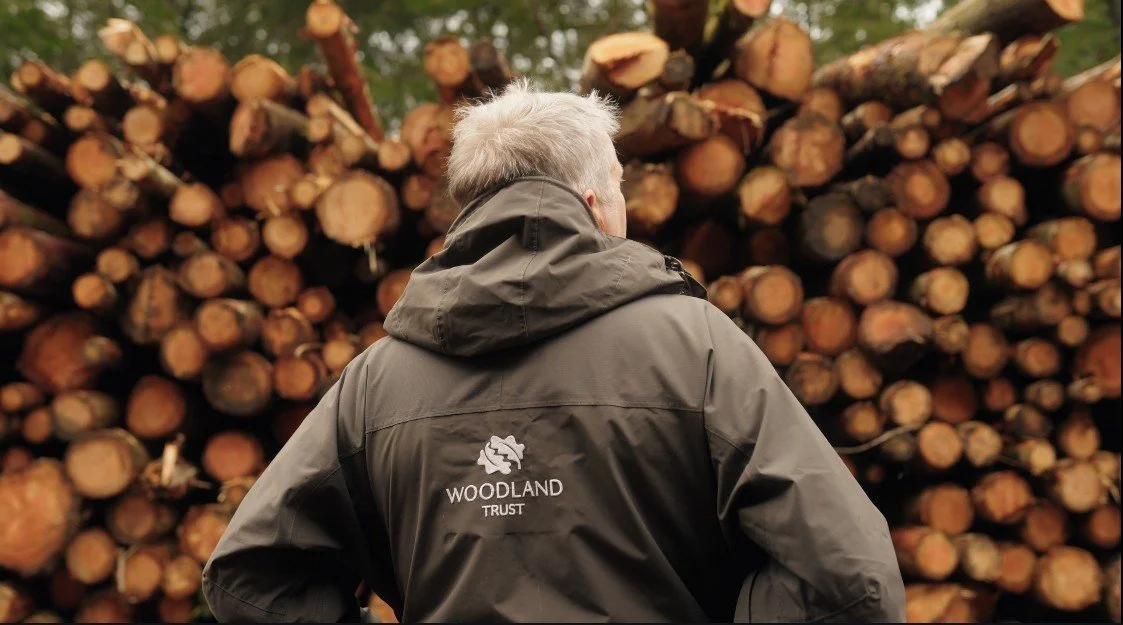
The Thousand Year Trust are using our timber to create Europe’s first Temperate Rainforest Research Centre. The £1.2 million research hub is taking shape on the Cabilla estate near Bodmin.
Merlin Hansbury Tenison says “We want this valley to become a blueprint for wide-scale rainforest recovery,” Merlin says. “We’re already hosting 14 research projects with six international universities on our land.” His state-of-the-art research facility will feature a ‘living laboratory’ on the roof and lodgings for scientists and students.
Its timber design is far more sustainable than concrete – especially as it uses 400 tonnes of beech, fir and western hemlock from the Trust’s rainforests on Dartmoor. The team at Unknown Architects is up for an award for the building.
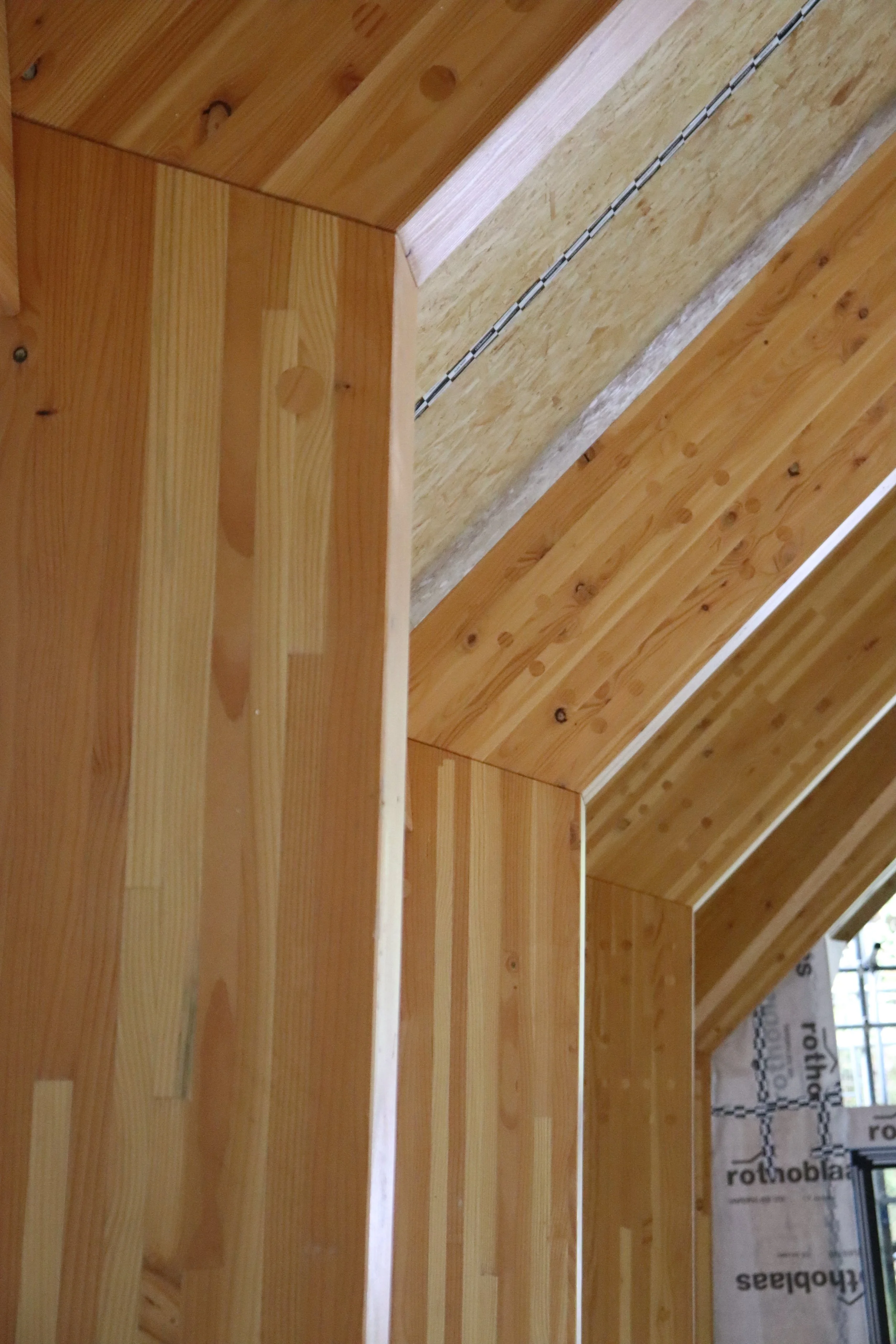
Glulam has been used instead of steel frames.
Glulam is the secret to success to its sustainability as it is replacing the steel that would otherwise be used. Short for glued laminated timber, Glulam is made by bonding individual layers of dimensional lumber together with durable, moisture-resistant adhesives. Devon has the only manufacturer of Glulam in the UK, so keeping the timber local from harvesting to processing has been a great example of small supply chains.
Natural England are creating a new Education Centre at Yarner Woods, and the timber is being sourced from nearby Pullabrook woods within the National Nature Reserve at East Dartmoor Woods and Heaths.
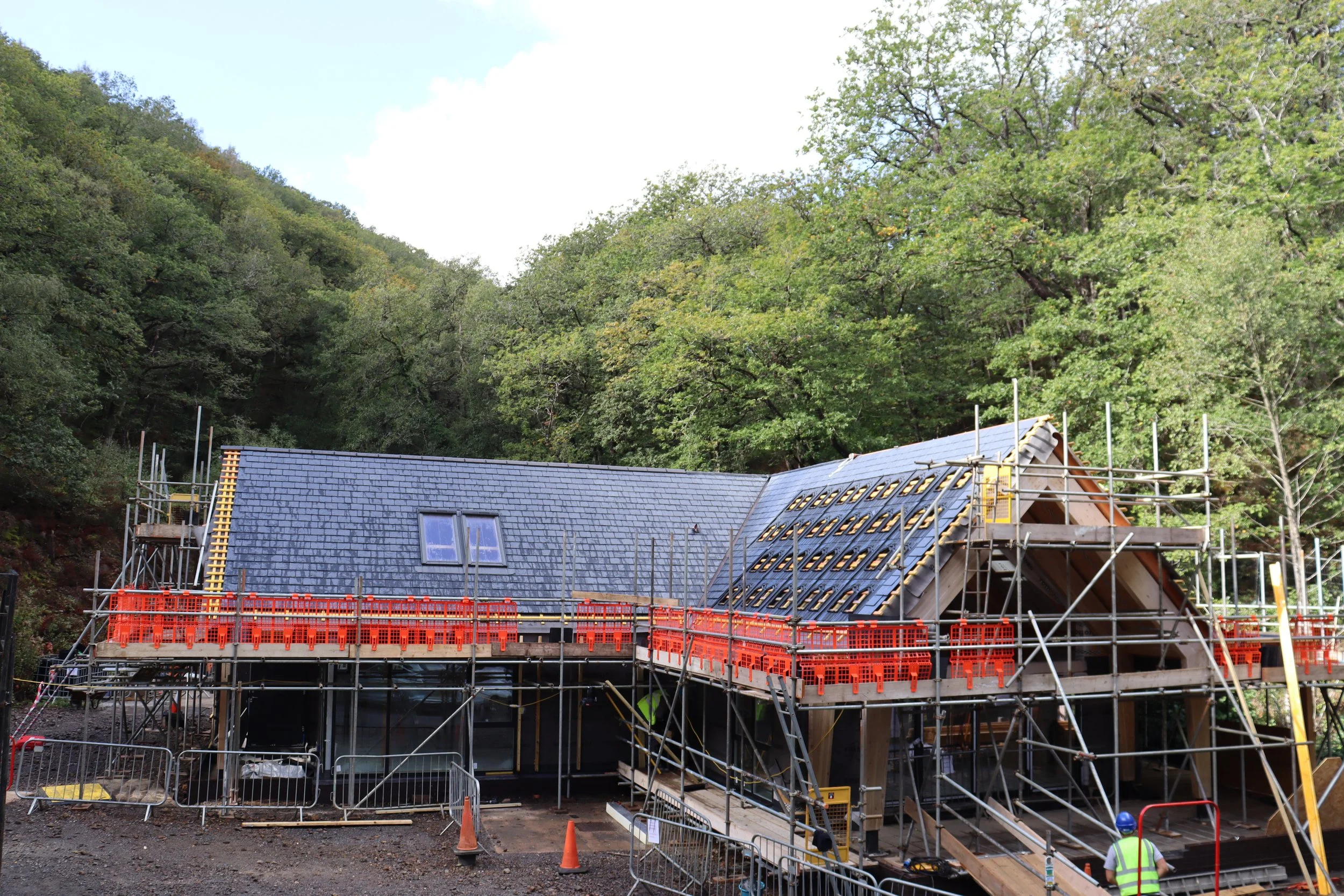
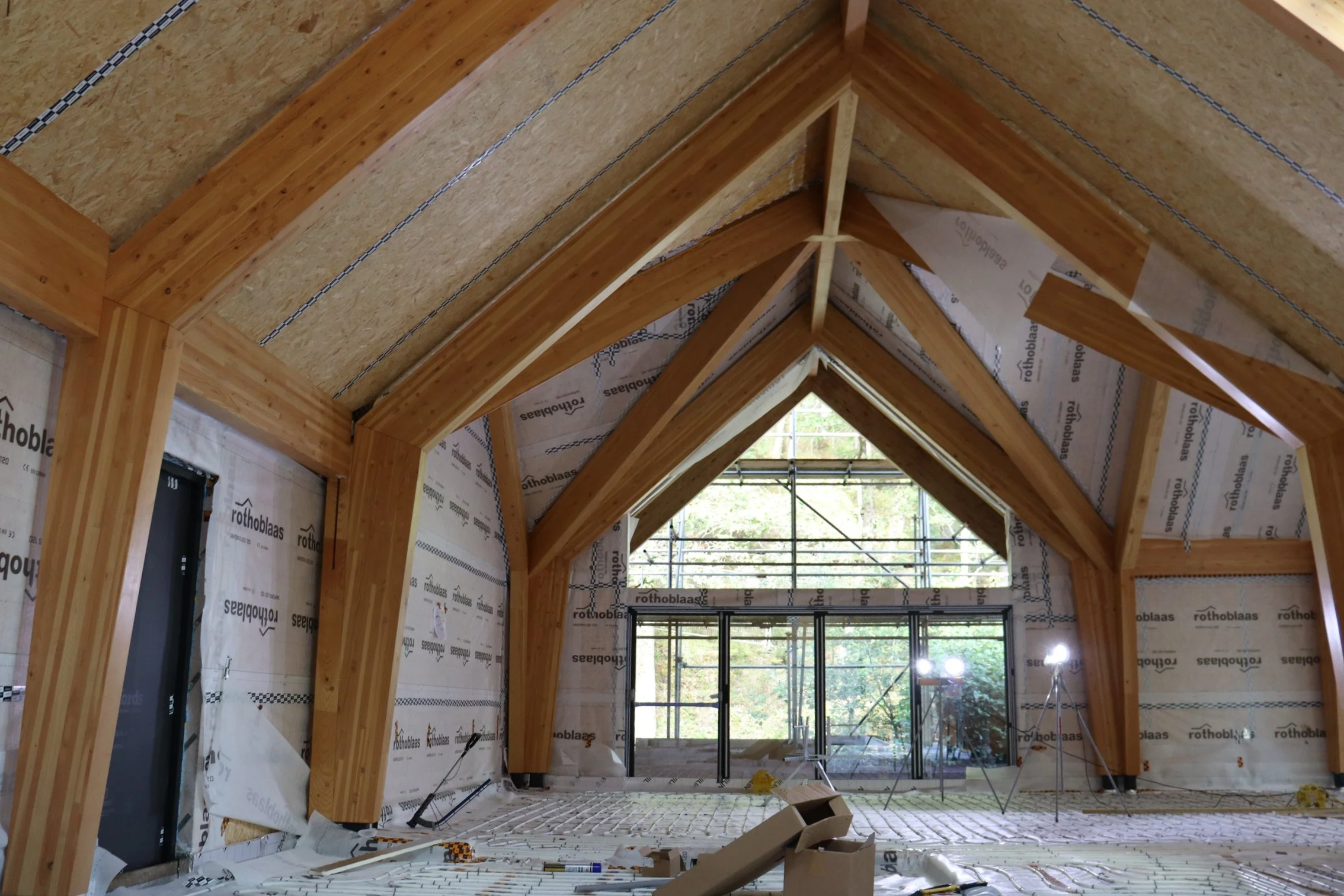
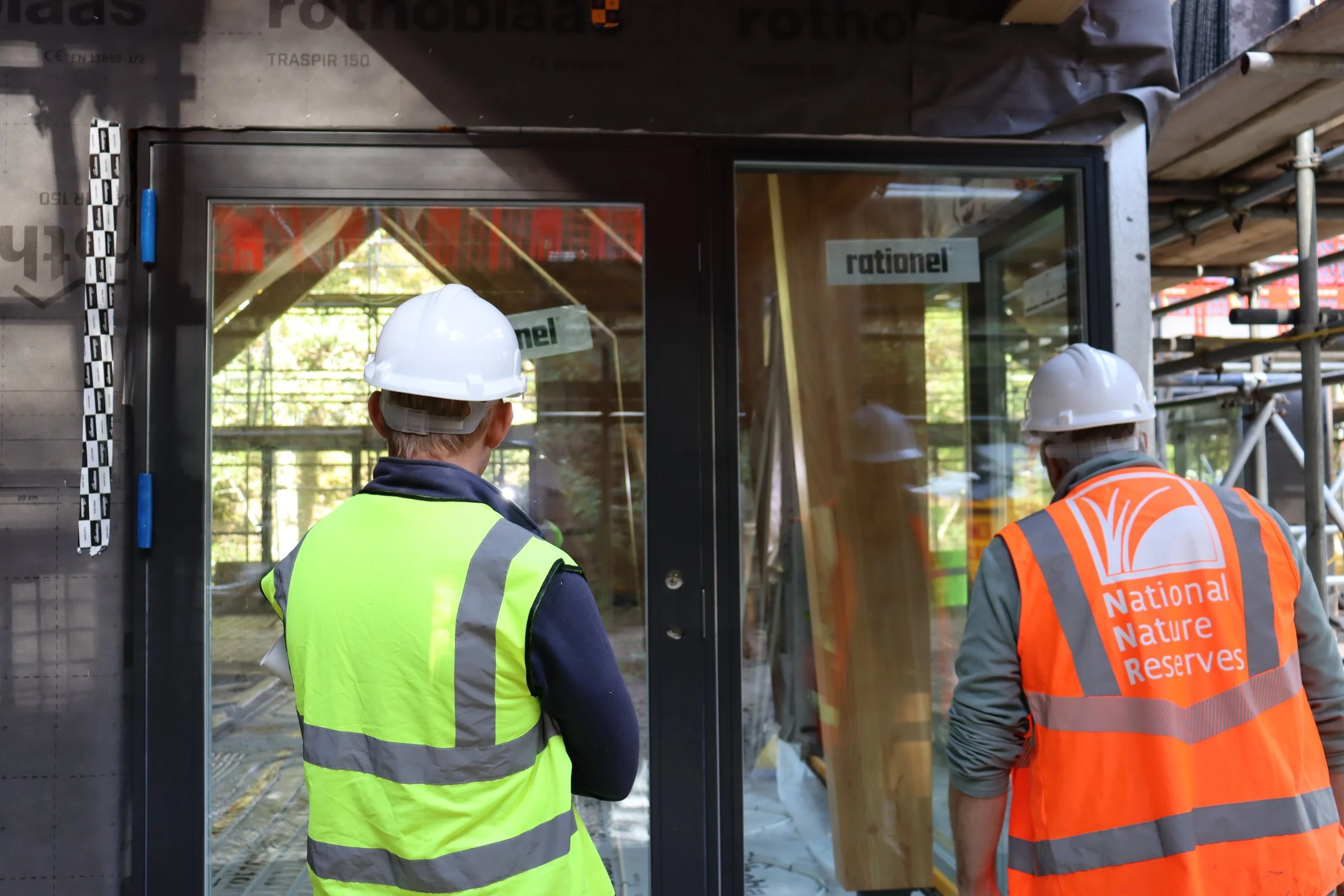
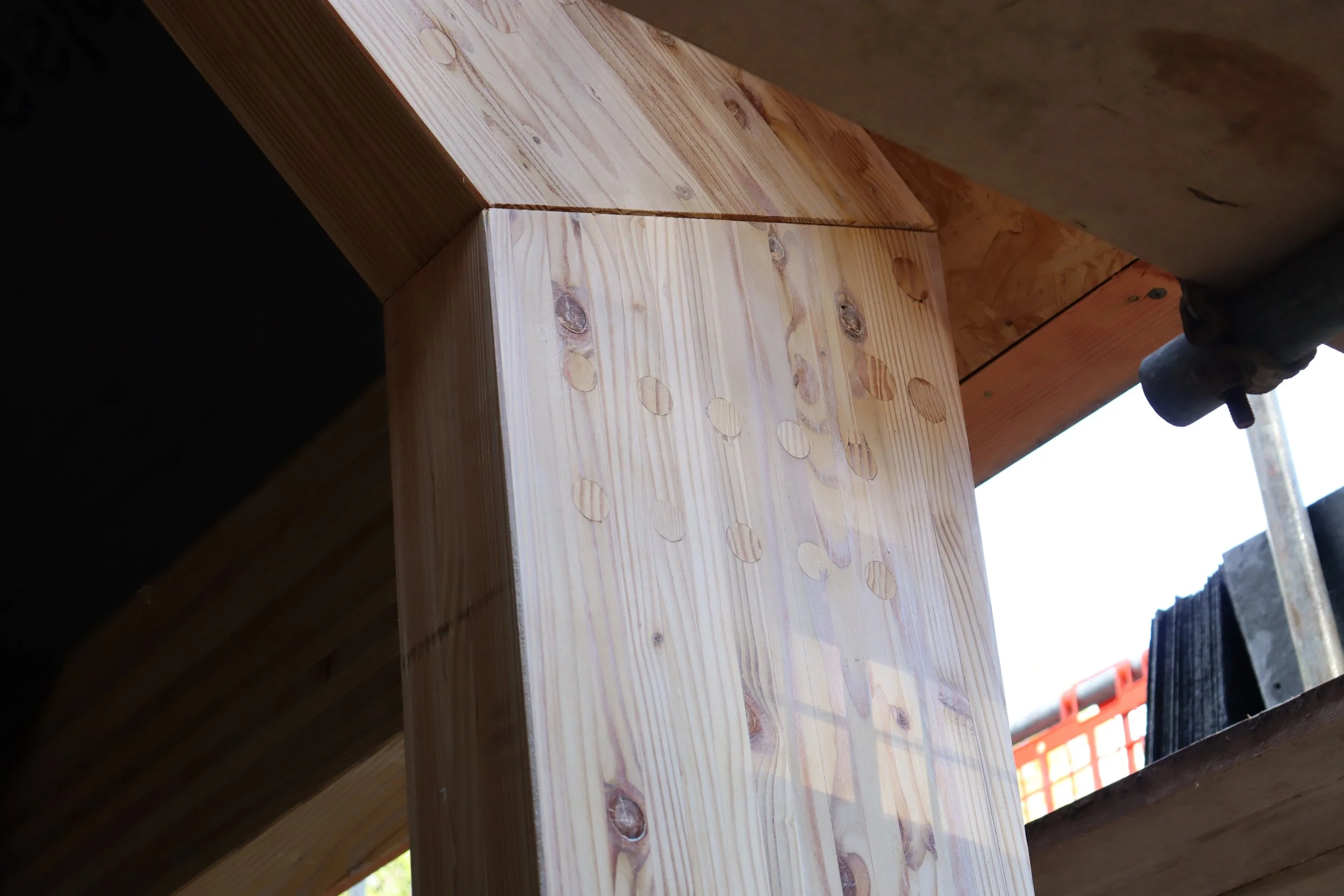
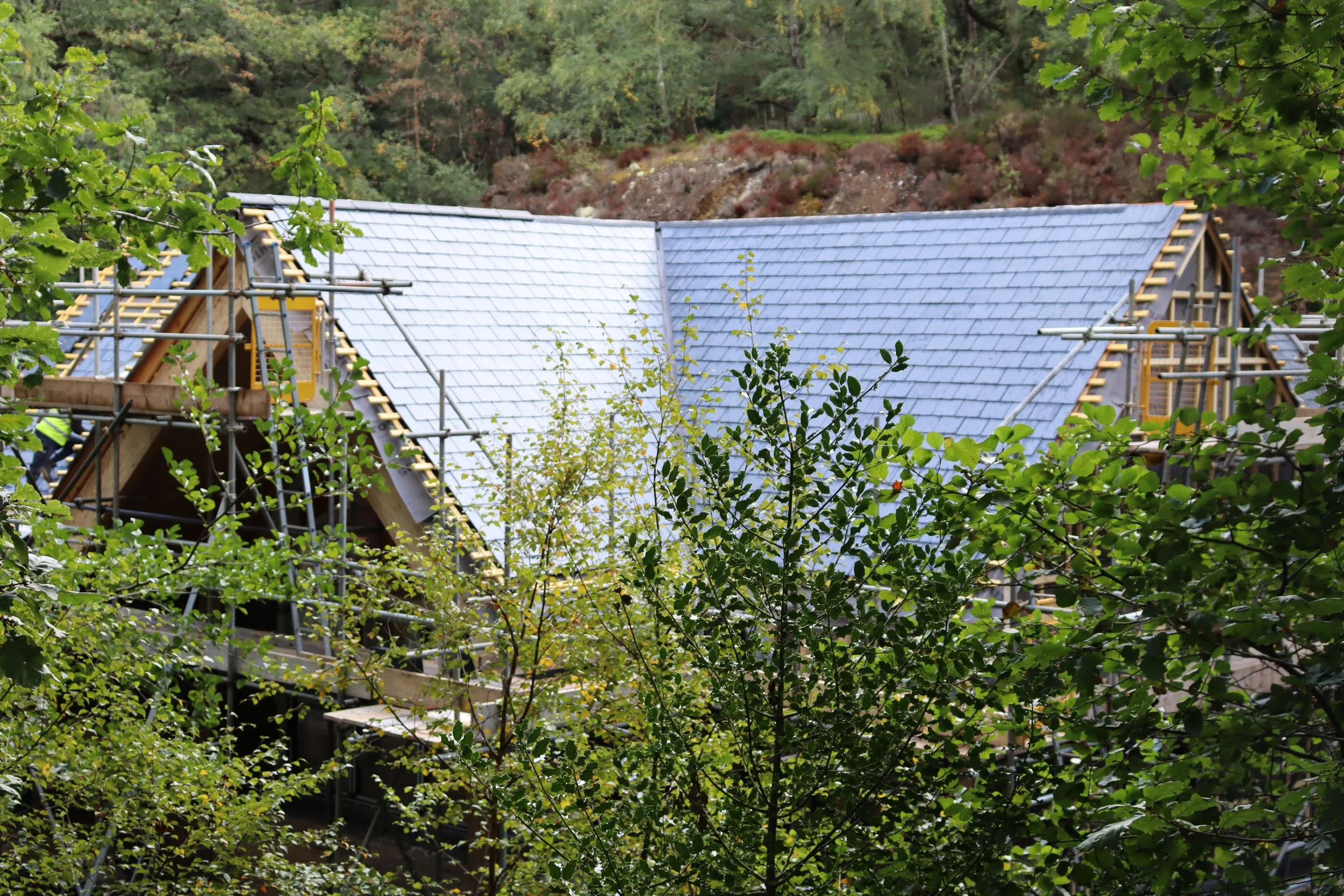
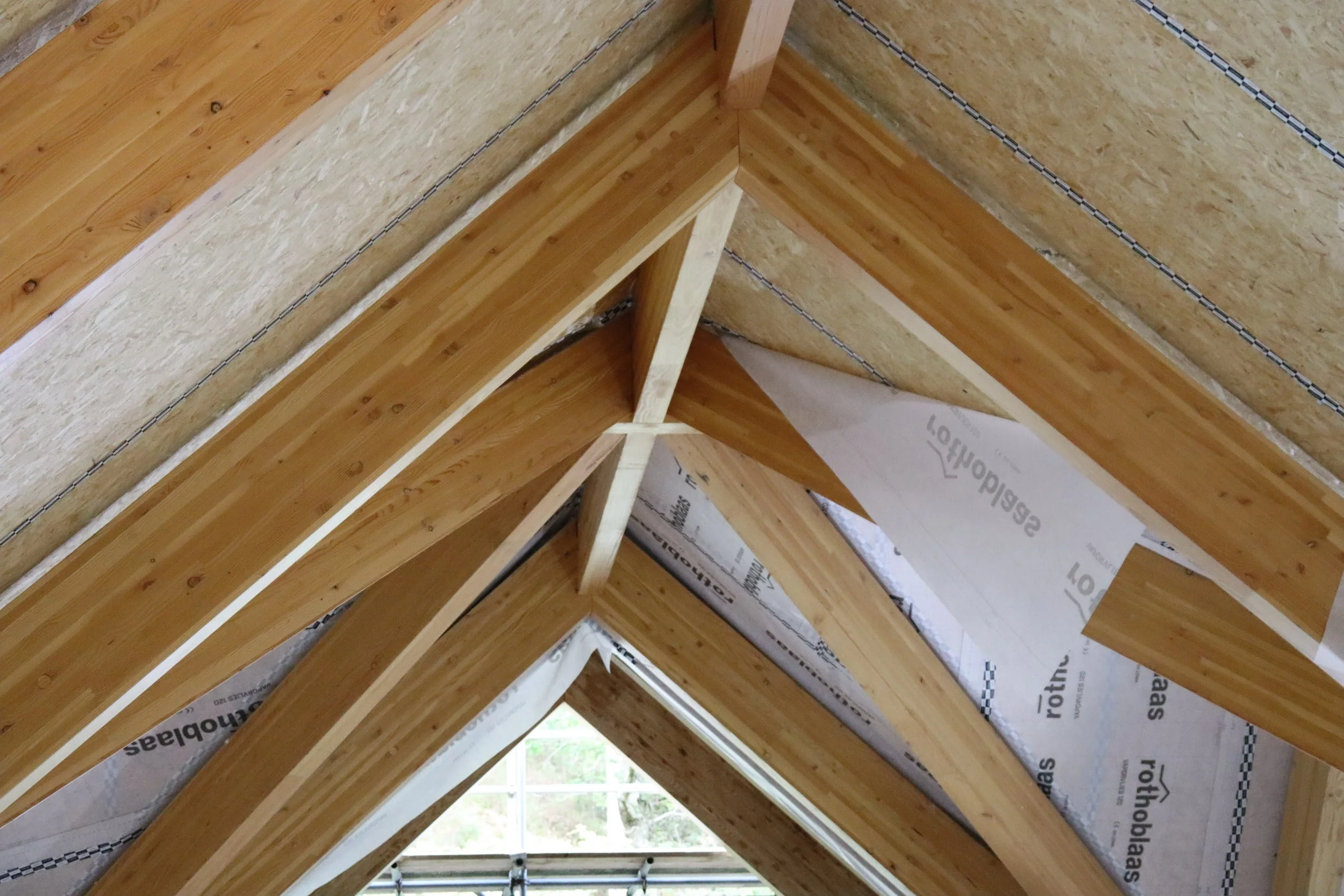

Andy Bakere, Senior Reserves Manager said "Our Education Centre will be a meeting point for staff and visitors to create opportunities for learning and engagement. With the building being made from local timber that has restored not just one, but two habitats is an excellent example of the work we want to expand on and educate others about."
The process is very straightforward from the landowners perspective. After an initial woodland assessment, we can help manage the project; from working with contractors, overseeing the harvest, finding a suitable buyer, and leaving the woodland in a better place.
Contact southwestoutreach@woodlandtrust.org.uk for more information.
For more information, watch the video here:

Dartmoor’s Dynamic Landscapes is made possible with The National Lottery Heritage Fund. Thanks to National Lottery players, we have been able to support Wood n' Moor activity.