
NEWS
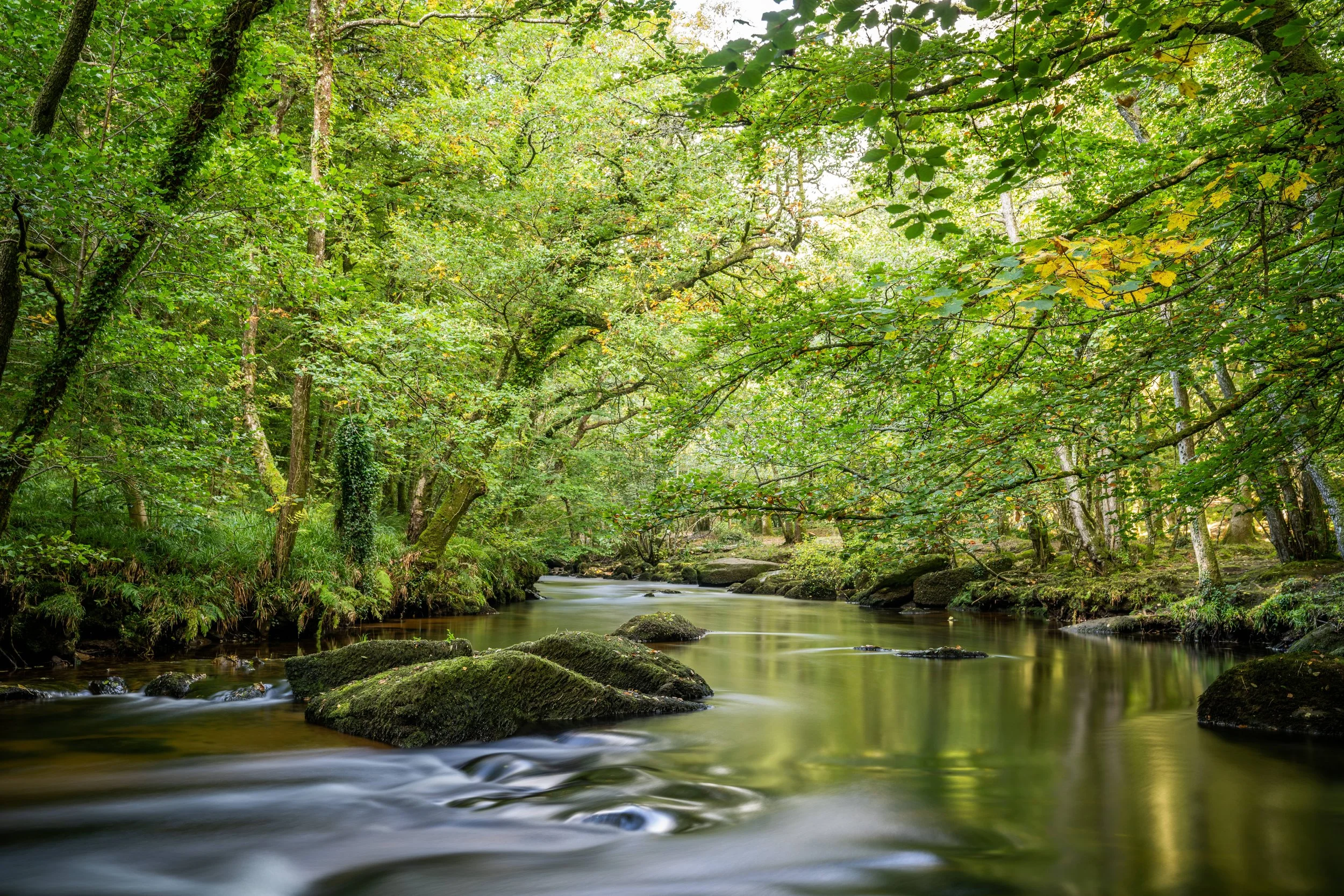
Slowing the Flow - volunteers build evidence for wet woodland restoration
Rivers and streams in Fingle Woods are being surveyed by volunteers to help determine temperate rainforest restoration.
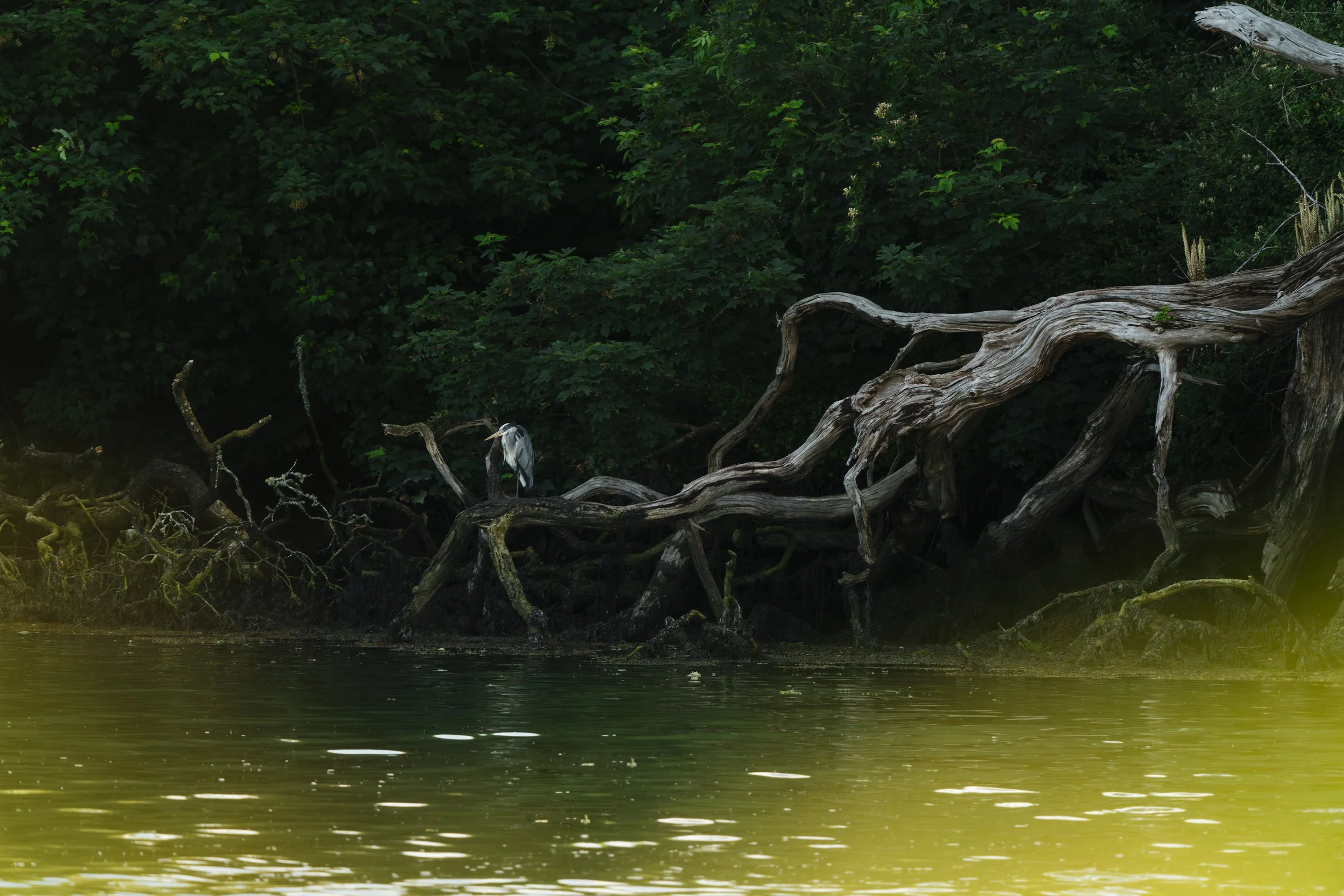
FROM TREES TO SEAS: How rainforests shape the health of our estuaries
New research commissioned by the Woodland Trust and carried out by Dr Benjamin Phillips and Dr Emily Duncan from Apex Science and Conservation LLP provides compelling evidence that woodlands are linked to healthier estuaries across Great Britain.
The report, From Trees to Seas, analysed 185 estuaries across England, Scotland and Wales alongside thousands of biodiversity surveys for fish, phytoplankton and benthic invertebrates. The findings reveal a clear pattern: estuaries in better ecological condition are associated with more woodland in their catchments, particularly ancient woodland and woodland growing alongside rivers and estuary margins.
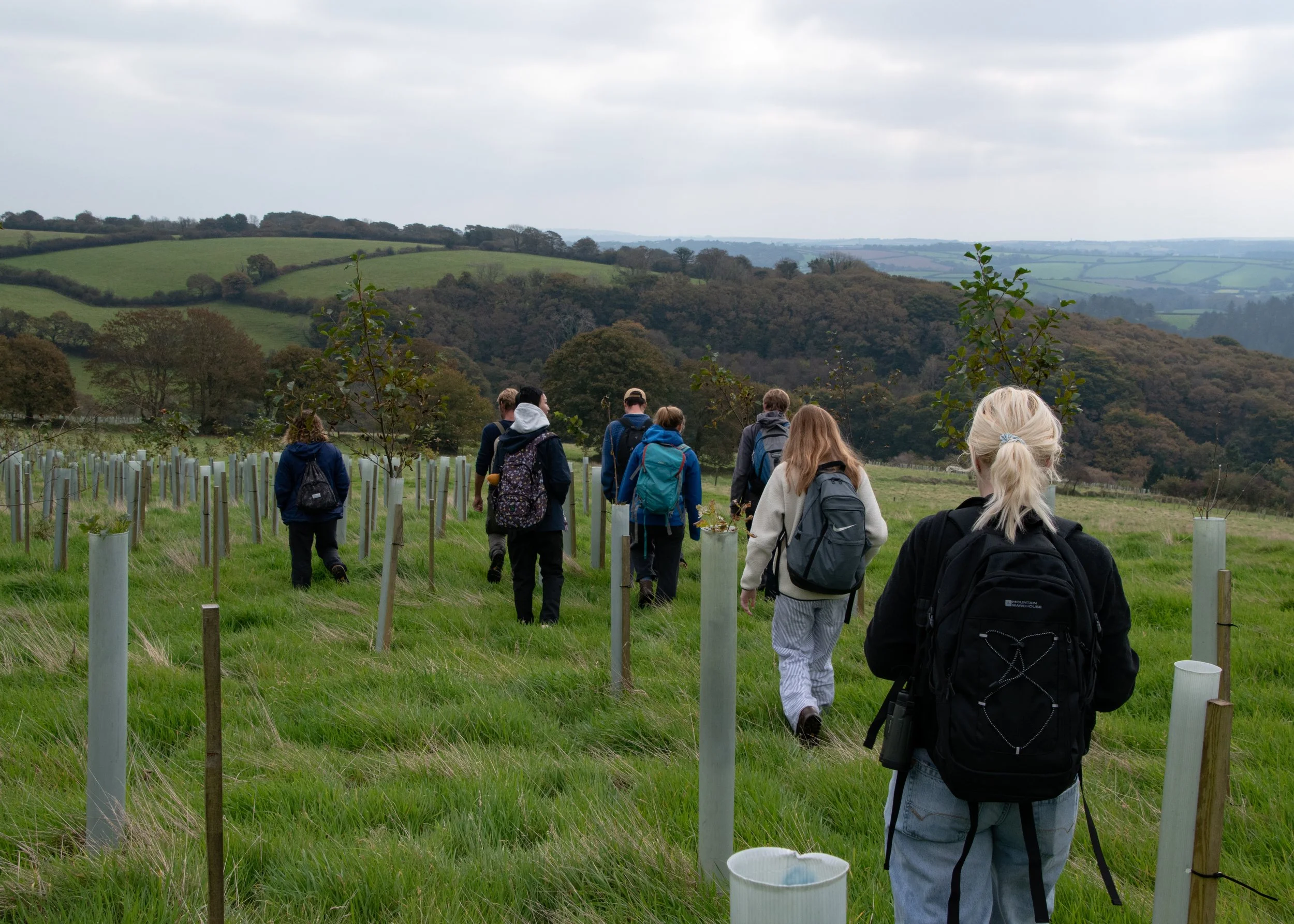
Why We Show Up: Stories from the South West Rainforest Stewards
Stories from the South West Rainforest Stewards who are helping to restore and expand these precious habitats.
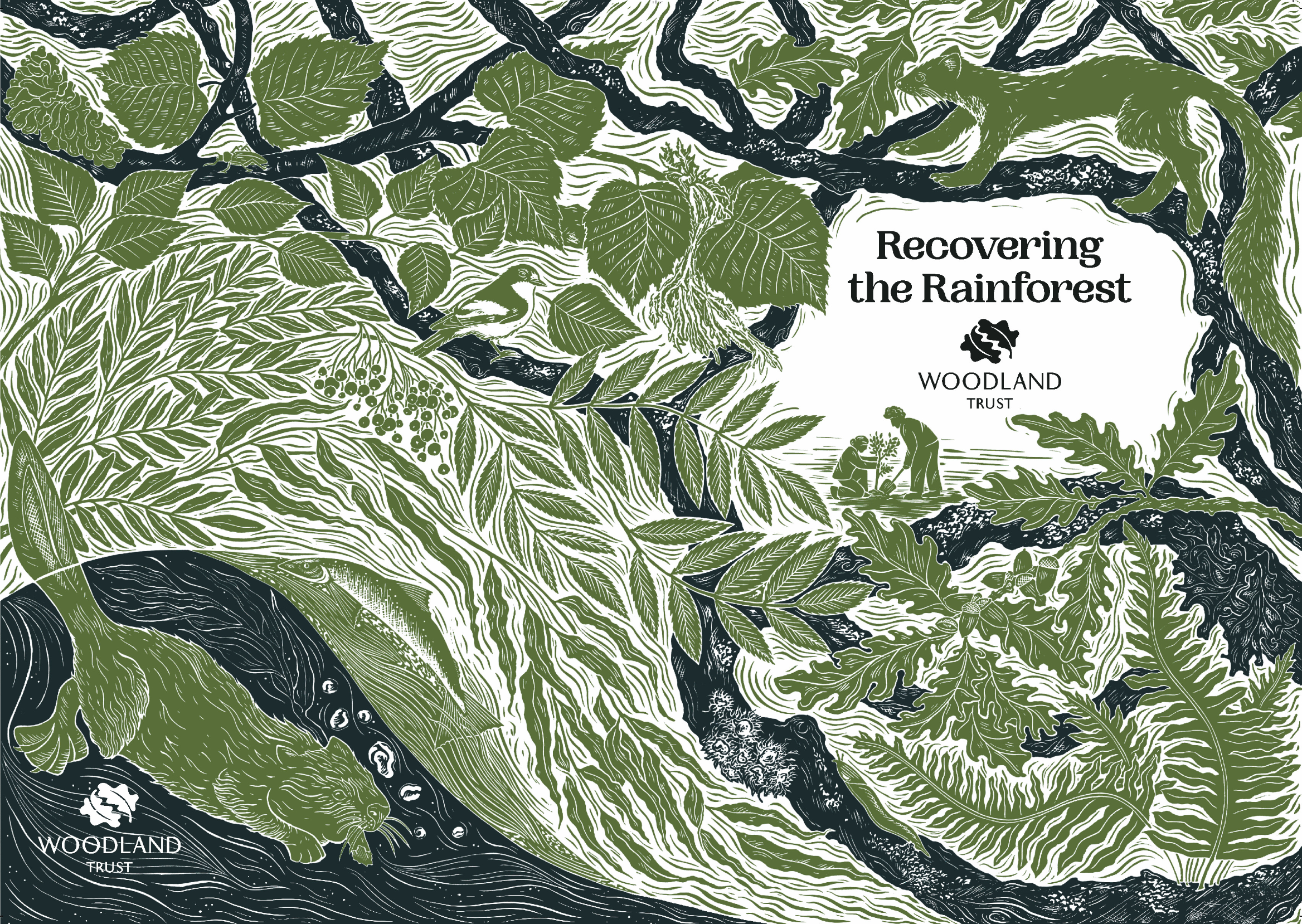
Recovering the rainforest magazine
We are delighted to share the online edition of our Recovering the Rainforest Magazine. Bringing together stories inspired by landowners, volunteers, ecologists, artists, and project partners, the magazine explores the many ways people are helping these rare and unique habitats recover.
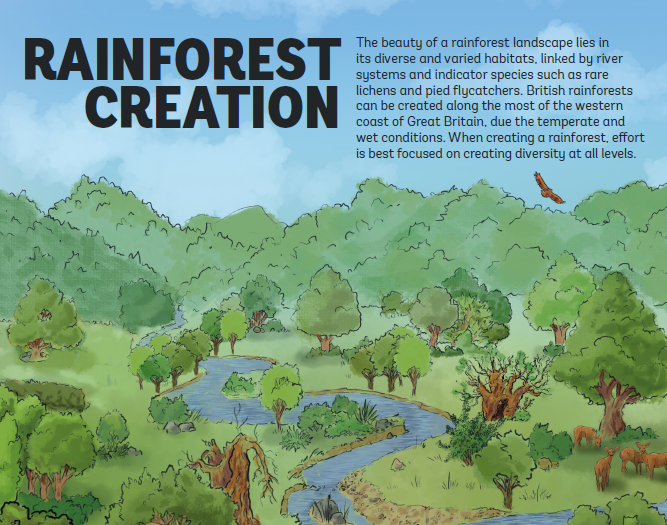
TEMPERATE RAINFOREST FACTSHEETS
Rainforest recovery factsheets exploring practical approaches to restoring temperate rainforest habitats across farms, woodlands and wider landscapes.
The Flooded Forest: In conversation with Sam manning and Nick Viney
Watch our film-cast talking about the benefits of creating a flooded forest and what wider implications this could have for wildlife, communities, and local government targets.
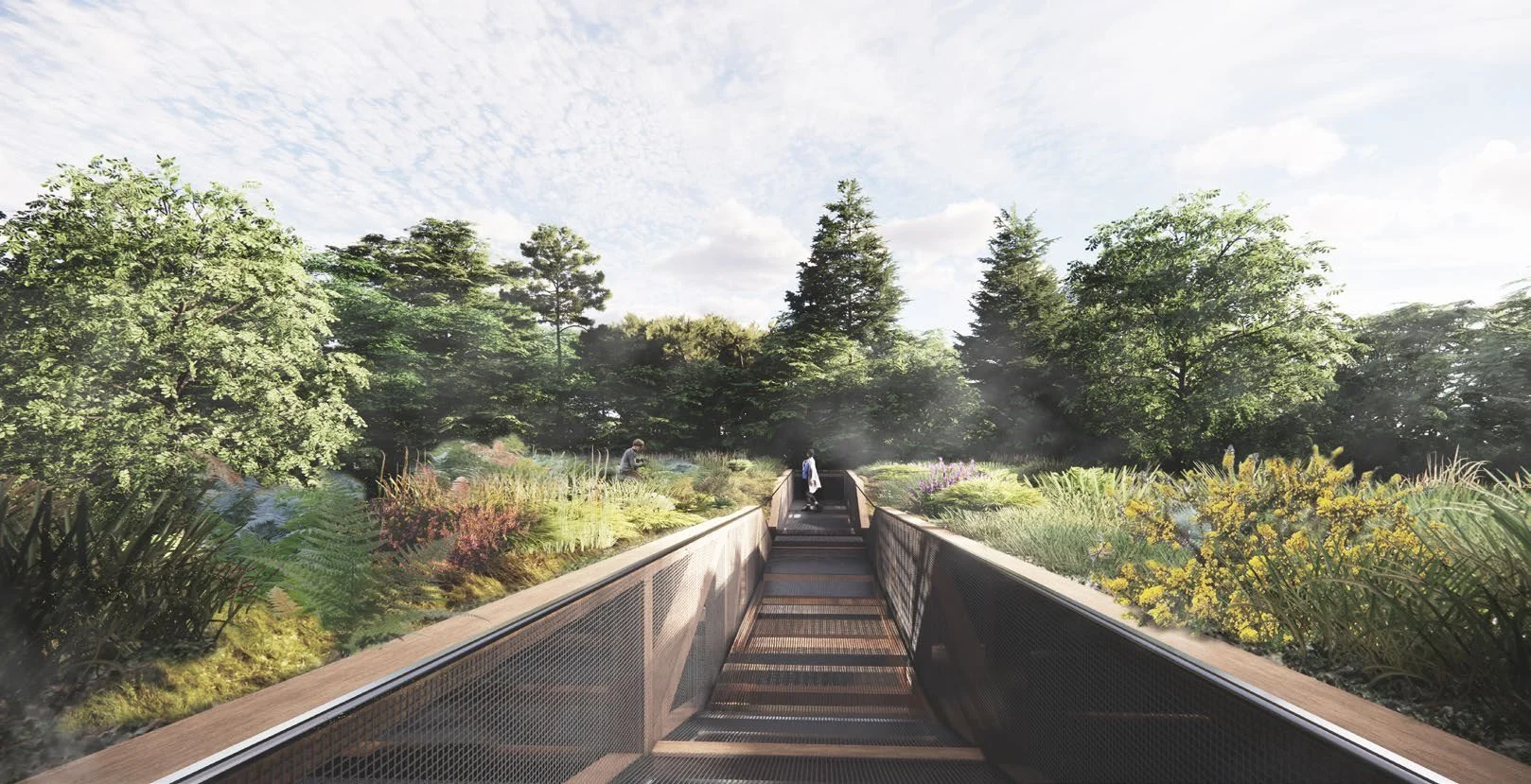
Europe’s First Temperate Rainforest Research Station
Our vision is to help catalyse the movement to restore Britain’s temperate rainforests by creating Europe’s first dedicated research station right in the heart of our site on Bodmin Moor. We envisage a year-round hub for long-term and interdisciplinary science. A hub that unites researchers, students, conservationists, and our local farming community.
The architectural significance of this research station will expand the impact of our work, reaching and inspiring others living outside the walls of science. To drive change, we need everyone on board, and we hope this beautiful building will unite through excitement and beauty.
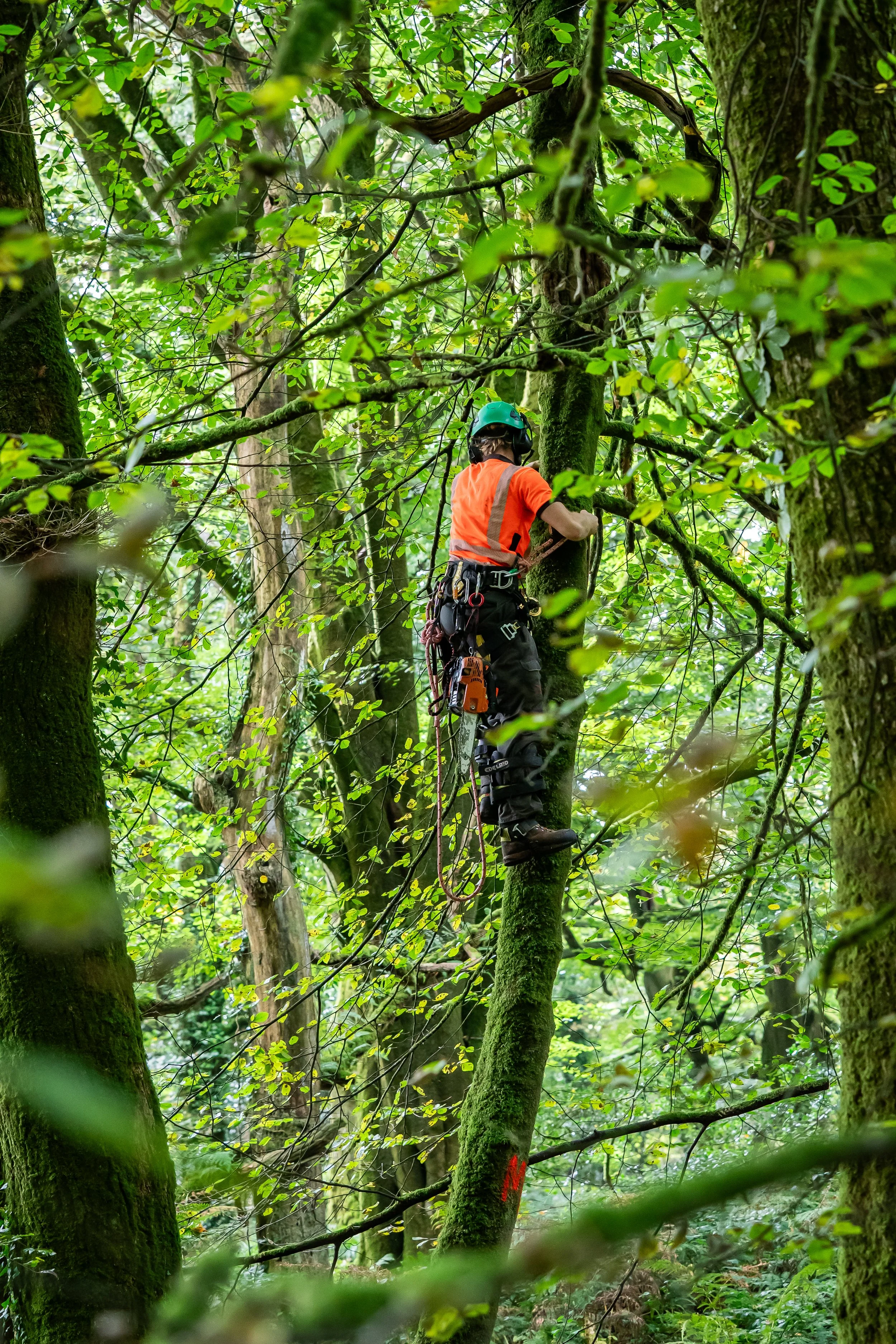
Rainforest Restoration Grant - The Challenge Fund
The Woodland Trust’s Challenge Fund is a competitive process designed to enable landowners to restore temperate rainforest and ancient woodland across the South West of England. Many woodlands in Devon, Cornwall, and parts of Somerset are in poor condition and require targeted management to recover their biodiversity and long-term resilience. The process provides practical guidance alongside funding support to enable restoration that is effective and sustainable.

Stories of the South West’s Temperate Rainforests
As winter turns to spring, temperate rainforests begin to wake. These biodiverse woodlands come alive with mosses brightening branches, lichens softening the bark of trees, and birdsong returning to the forest. Over centuries, they have been heavily affected by deforestation, grazing, and mining, leaving them fragmented and in need of recovery.
Restoration work is underway, but awareness is essential. People need to know these forests exist before they can help protect and restore them. At the Woodland Trust, we believe storytelling, art, music, and poetry are essential tools for raising that awareness. They bring the forest to life in ways that statistics and reports alone cannot.
Cornwall’s Lost Rainforests
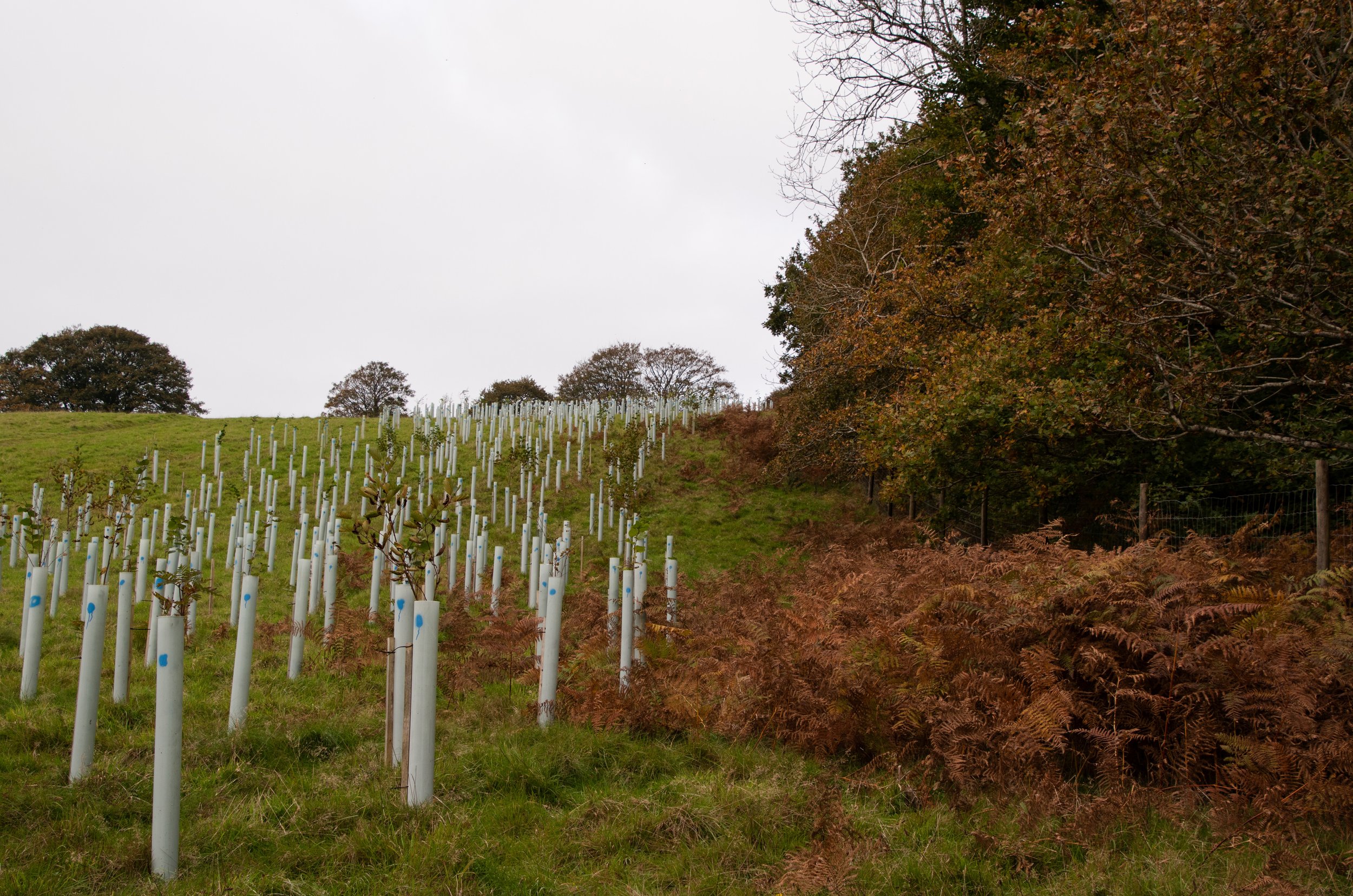
Bodmin Moor, often perceived today as a stark and windswept landscape, is undergoing restoration to resemble the rich, wooded environment it supported over 6,000 years ago. Izzy Lane has joined forces with the Woodland Trust and Plant One to document the revival of the UK’s rare and remarkable temperate rainforest ecosystem.

New report maps hope for a healthy future for the South West’s rare rainforests
A breakdown of the State of the South West Rainforest Report and how the Woodland Trust is using the findings to make a difference to these threatened and fragmented habitats.
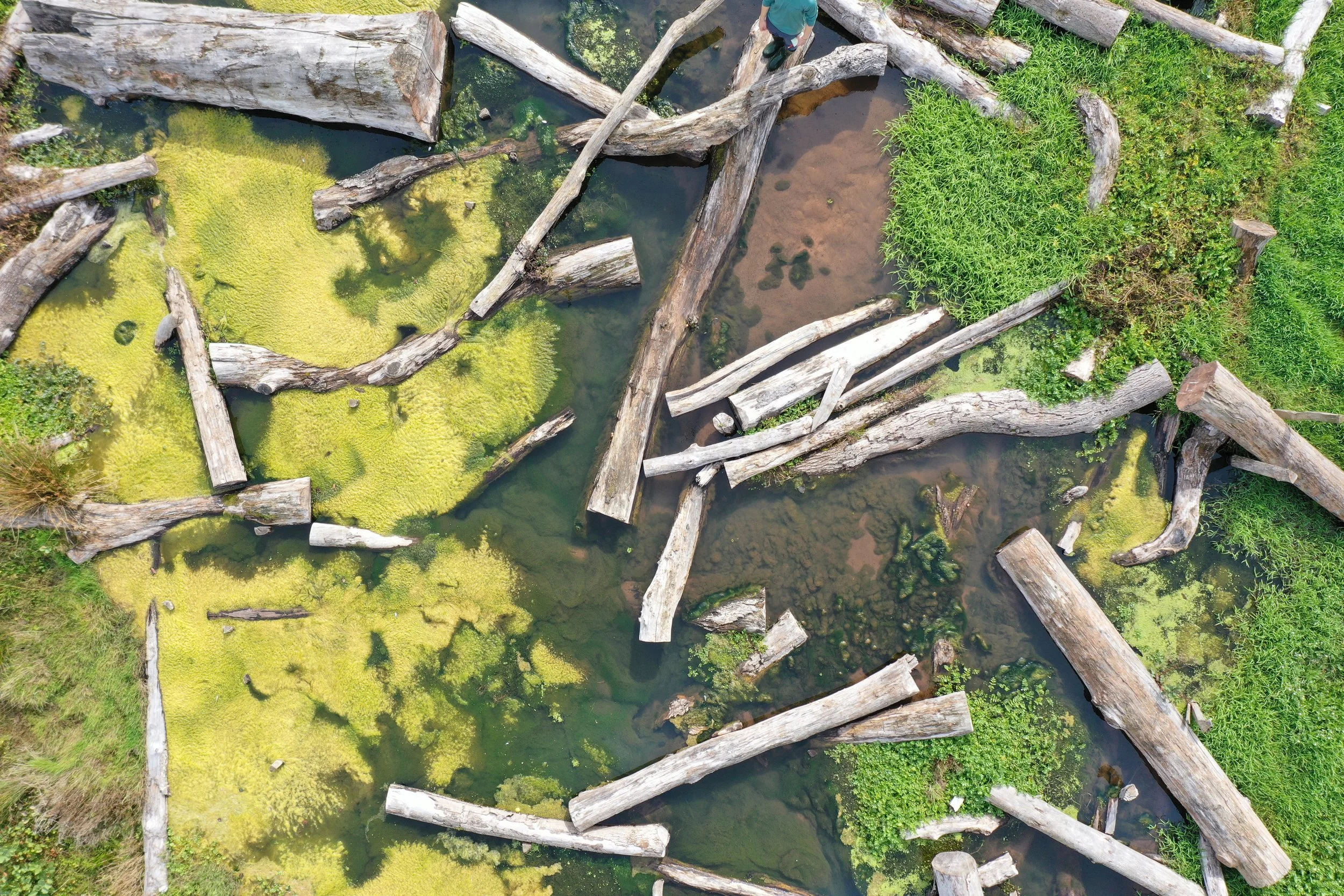
REWETTING AVON VALLEY WOODS
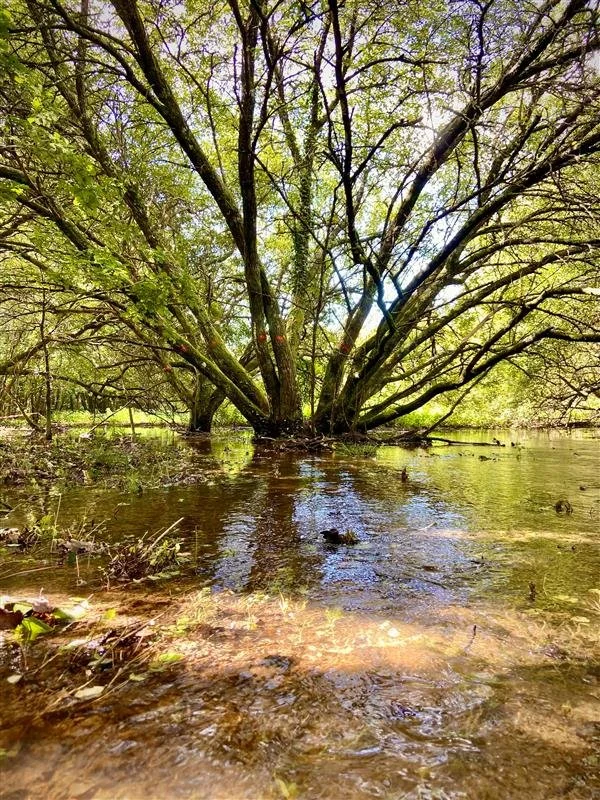
In August 2025, our Estate Team at the Woodland Trust began work on one of the largest rewetting efforts we have ever undertaken in the South West. The aim is to re-establish the connection between Tor Brook and its historic floodplain, and in doing so, to create around two hectares of new wetland habitat. The interventions themselves are carefully planned and implemented: leaky dams of logs and branches, woody debris placed strategically in the channel, deflectors to redirect water, and lowered banks to let the brook spill sideways instead of racing forward.

RAINFOREST LICHENS TO SPOT ON YOUR NEXT WOODLAND WALK
As Plantlife’s Rainforest Advisor for the Southwest, Angie Cruse supports landowners & site managers in understanding the lower-plant species living in their woodlands and how best to manage these habitats for resilience and richness.
The Woodland Trust and Plantlife collaborate closely in the Southwest. When working together, we seek out and protect rare lichens, run training events, and shape future plans to safeguard and enrich our temperate rainforests.
Here are some of the wonderful rainforest lichens you can spot this winter, and throughout the year. Just remember: wet and dry weather can completely change their appearance!

Britain’s temperate rainforests: Where forest, River and sea become one.
A guest blog written by Dr Gemma Anderson-Tempini highlighting the links between rivers, forests, and ocean.

Dartmoor farm planting close to 20,000 trees
A large sycamore sweeps over the tops of the cows heads as they graze the pasture underneath. You can see thegorse bushes and farm house in the background.

LETTING THE FOREST BREATHE: WHY LIVING WOODS DEPEND ON DEAD TREES
Restoring a forest is often seen as planting young trees or protecting ancient ones. Yet, the value of a rotting log, a hollow trunk, or a fallen branch is immense. Dead wood is among the most important habitats in a healthy woodland, particularly in a healthy temperate rainforest.

First Pine Marten Kits in Devon for 150 years

Oceans and Forests: A New Discovery
Working with associate lecturer Dr. Benjamin Phillips, the Woodland Trust has discovered a groundbreaking glimpse into the important interactions between oceans and forests. Until now, these ecosystems have often been studied separately. But by drawing together more than 270 peer-reviewed studies from around the world, the Ocean Forest Links report highlights a far more connected picture of the natural world.

FIVE THINGS TEMPERATE RAINFORESTS DO FOR US, AND HOW WE CAN GIVE BACK
It is easy to walk around a temperate rainforest and appreciate the beauty it possesses. But have you thought about how they function and what they might quietly be doing for us?
Temperate rainforests once covered around 20% of the UK and 80% of Devon and Cornwall. Today, only around 8% of that original rainforest remains, meaning we’ve lost approximately 90% of our rainforest.
This World Rainforest Day, 22nd of June, we’re celebrating five ways temperate rainforests support our lives in surprising ways, and five ways we can help restore, reconnect and protect what remains.
Agroforestry Factsheets
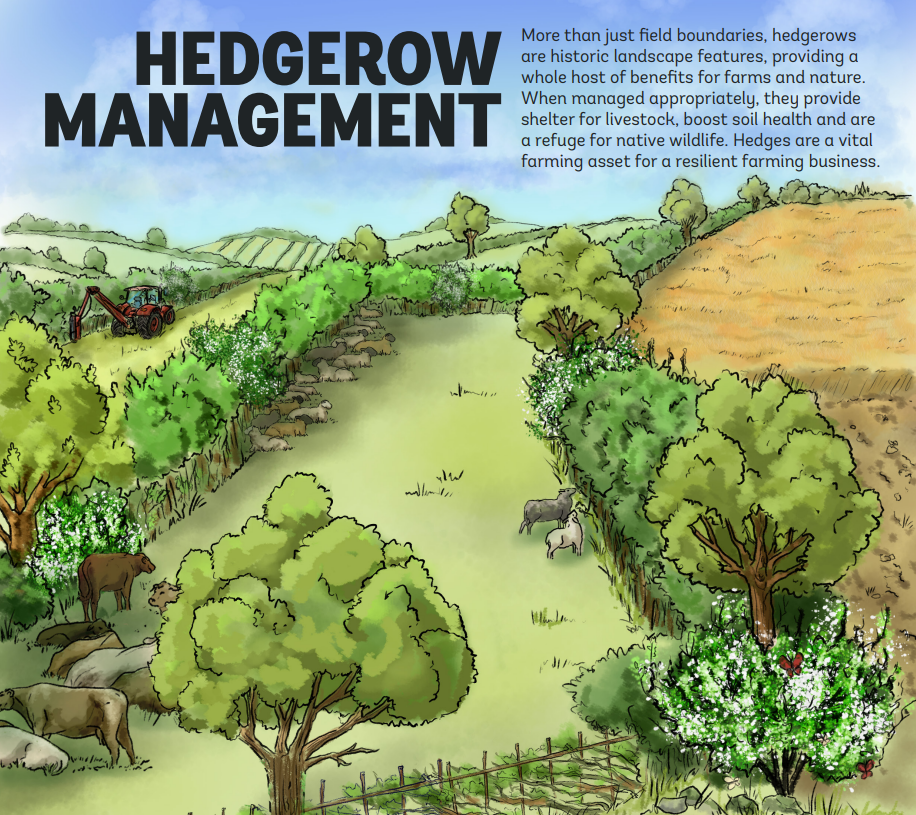
Agroforestry factsheets to help give farmers and landowners an idea of what trees could look like when effectively integrated into a farming system.