TEMPERATE RAINFOREST FACTSHEETS
Written by: Alejandra Hart and Danielle Semple
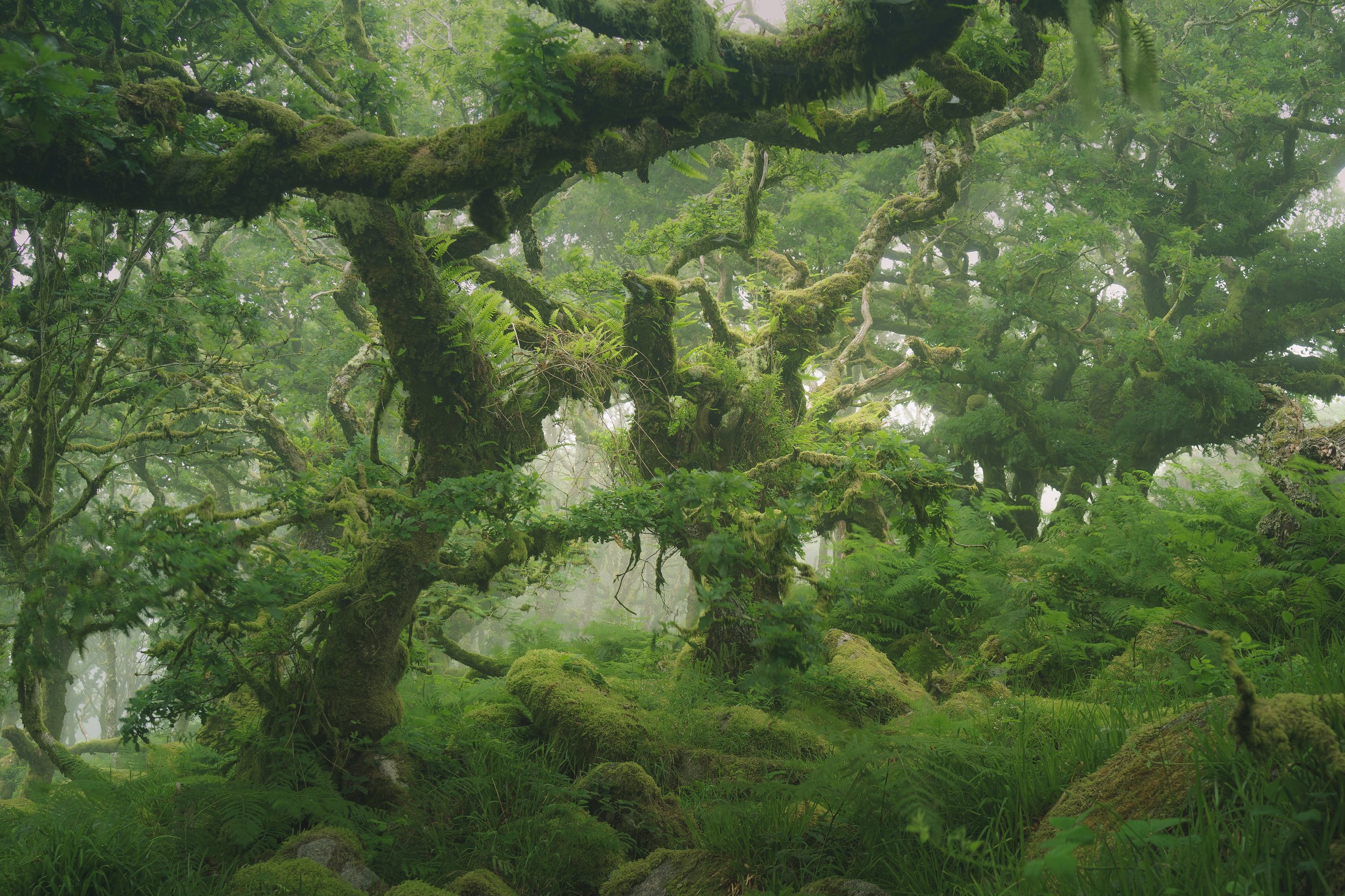
Temperate Rainforest on Dartmoor. Credit: Lee Cooper
Have you ever thought about what makes a temperate rainforest feel so alive?
From moss-covered trees and wooded river valleys to open glades filled with birdsong, these landscapes are shaped by a balance of water, light, and woodland structure. Restoring these natural processes helps create healthier, more resilient habitats.
We’ve created a series of factsheets looking at different approaches to rainforest recovery and how they can be integrated into farms, woodlands and wider landscapes:
Rainforest Creation: Temperate rainforests are made up of a mosaic of habitats, from dense woodland and scrubby edges to open-grown trees and healthy river systems. Different establishment approaches, including woodland creation, assisted natural colonisation, planted copses and parkland systems, can help create resilient and varied landscapes.
Structural Diversity in Woodlands: Some of our richest rainforest habitats are open, dynamic and constantly changing. Creating glades, integrating grazing and encouraging scrub regeneration can increase light levels, support natural regeneration and create the varied woodland structure that species such as lichens, mosses and ferns rely on.
Rewetting Rainforests: Water plays a vital role in keeping rainforest landscapes healthy and resilient. Natural interventions such as leaky dams, scrapes and willow planting can help slow the flow of water through the landscape, creating wetter and more humid conditions while helping to reduce flooding and drought impacts.
These factsheets are based on experience from rainforest restoration projects across the South West by the Woodland Trust Team.

Hymenophyllum tunbrigense,Tunbridge Filmy Fern, at Llennyrch. Credit: Jonathan Need/WTML
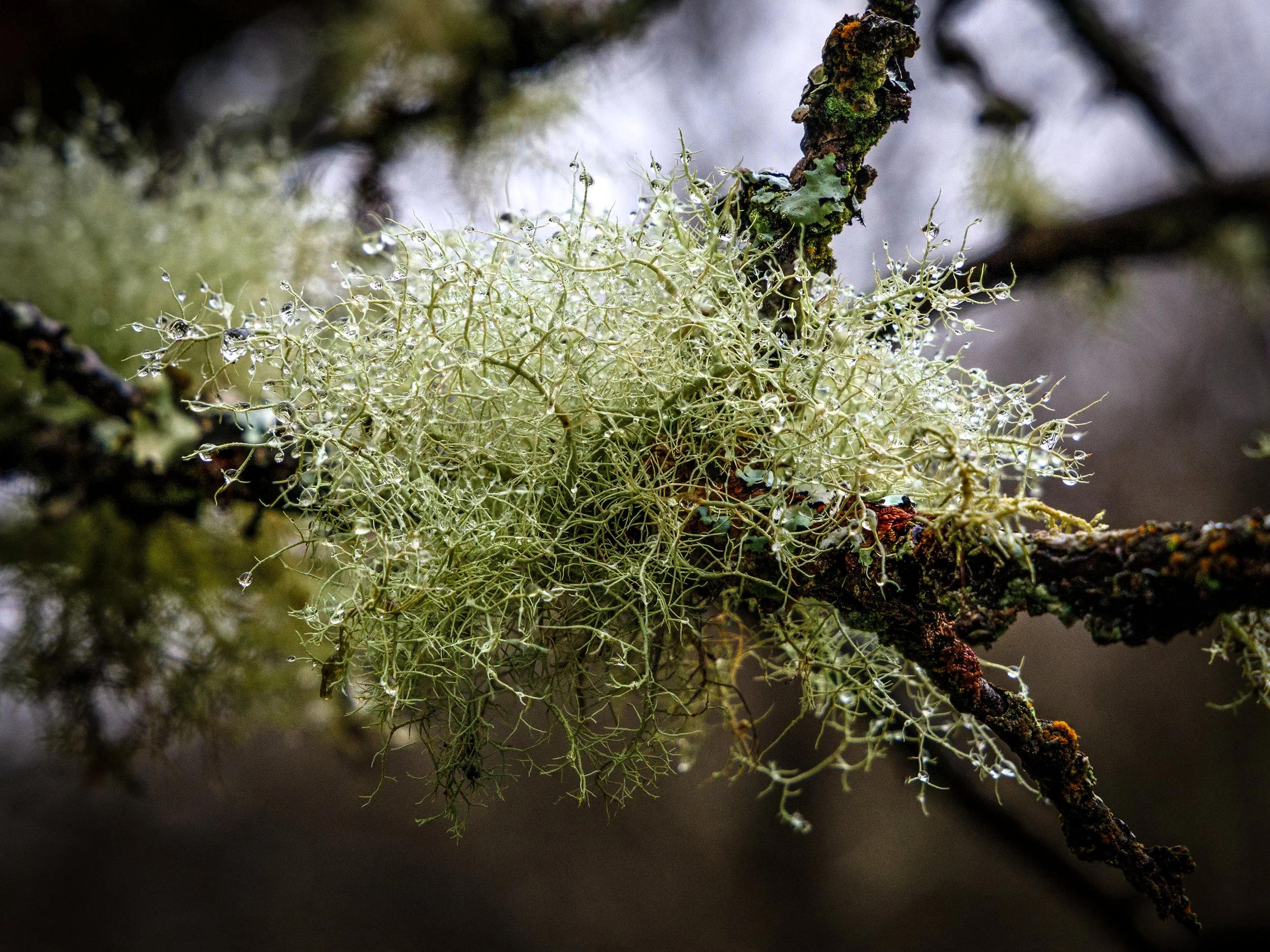
Witches’ Whiskers Lichen. Credit: Pete Callahan
The main benefits of rainforest recovery include:
Increased resilience to climate change
Enhanced biodiversity across the landscape
Improved water retention and soil health
More dynamic woodland habitats
Better conditions for rare rainforest species
More resilient woodland and grazing systems
Download the factsheets below to find out more about each approach.
If you would like to plant trees on your land, or simply find out more, please email southwestoutreach@woodlandtrust.org.uk.
These factsheets were made possible thanks to players of Postcode Lottery.