
The Flooded Forest: In conversation with Sam manning and Nick Viney
Written by: Alejandra Hart
The Flooded Forest: In conversation with Sam Manning and Nick Viney. Credit: Bull and Wolf
In late February, we recorded a film-cast called The Flooded Forest in Avon Valley Woods, bringing together Sam Manning and Nick Viney within a woodland where water is being actively reintroduced into the landscape.
Avon Valley is the first woodland the Woodland Trust ever owned. It was originally purchased by Ken Watkins to prevent its conversion into intensive farmland, and over the past 50 years it has been steadily planted wiht thousands of trees and managed as woodland.
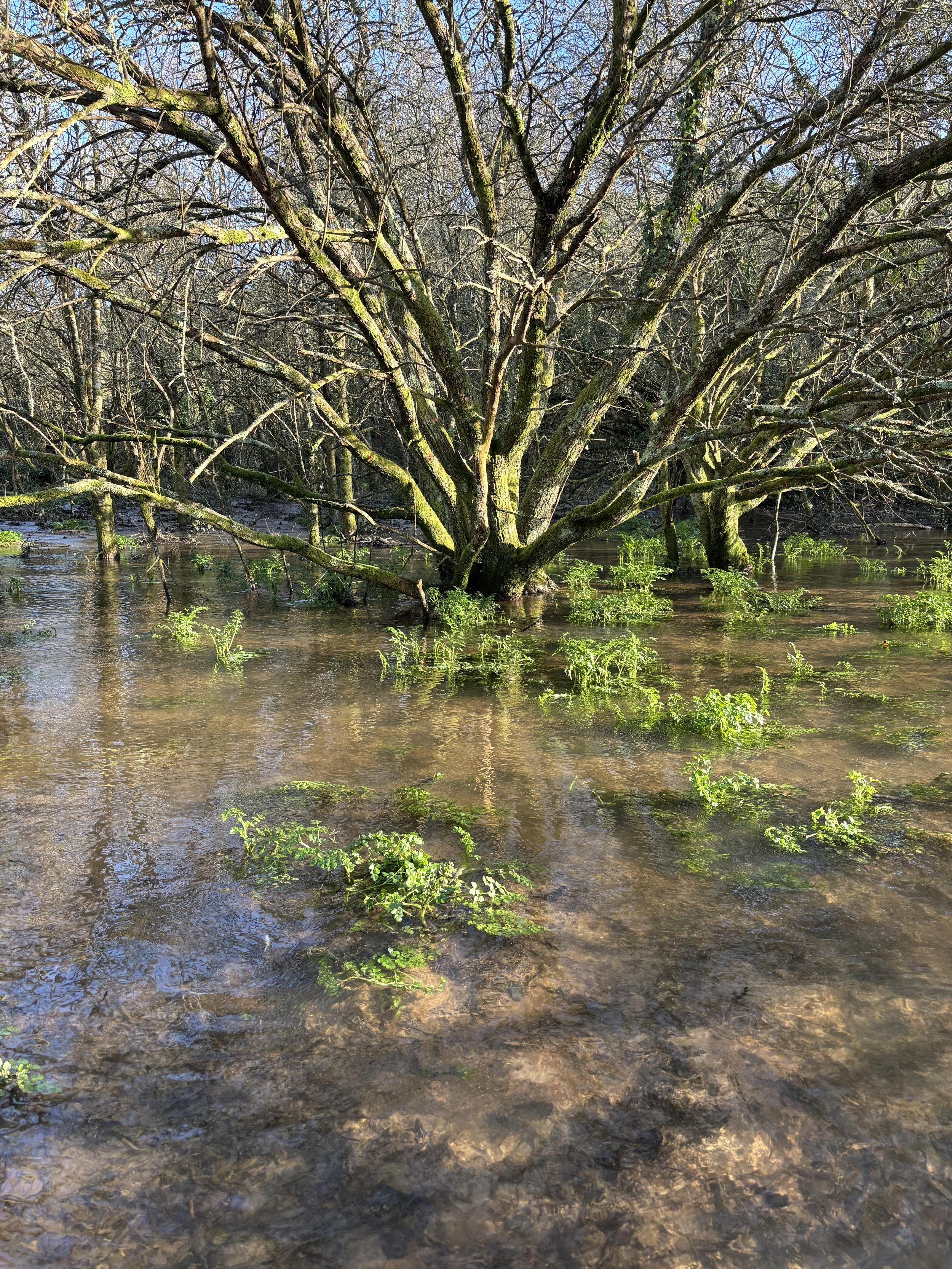
Like much of the UK, the water system here has been heavily altered over time. The brook that runs through the site was historically pushed to the edge of its floodplain, leaving it confined to a narrow channel that moves quickly in winter and leaves the surrounding land disconnected and dry in summer.
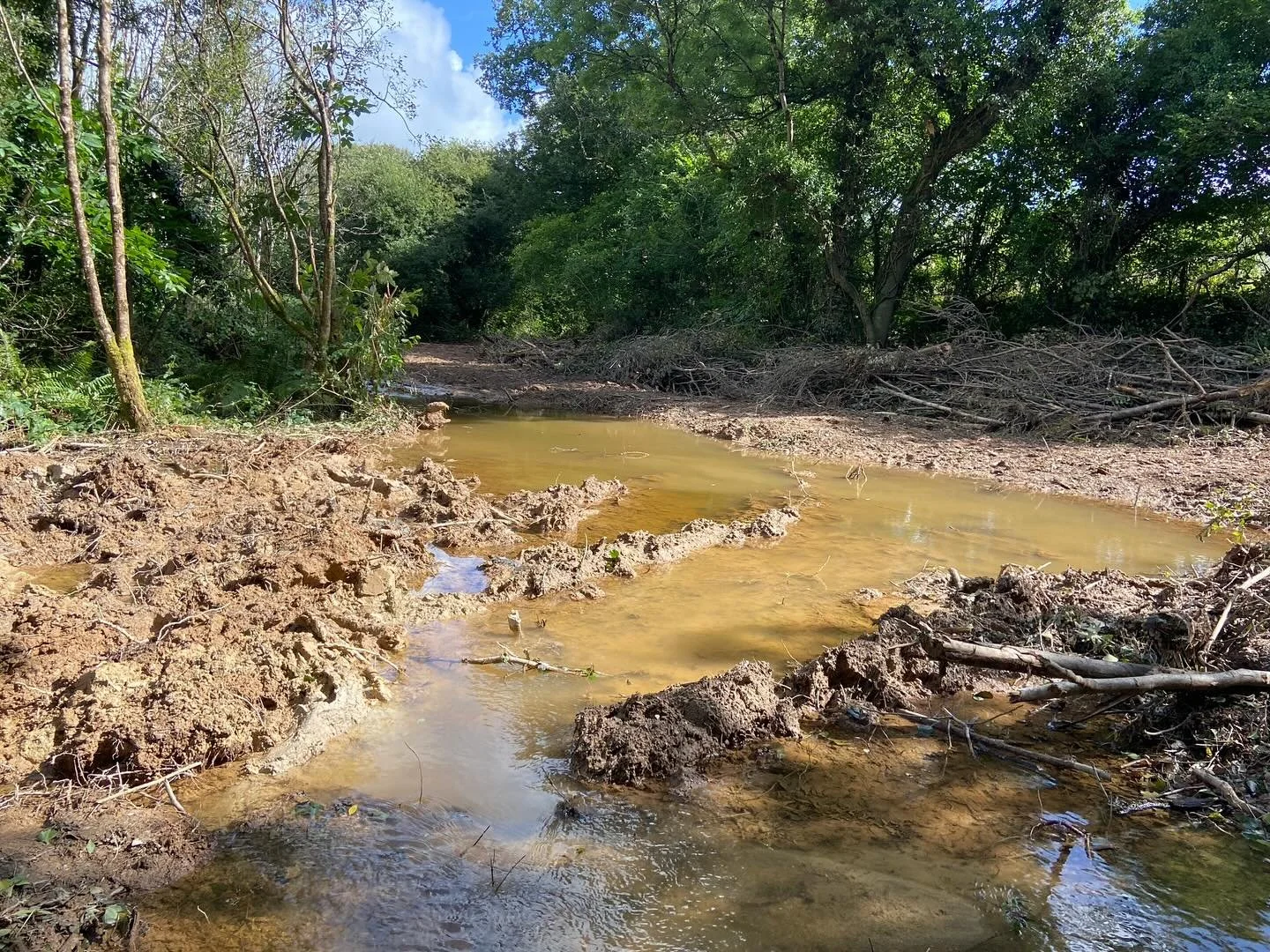
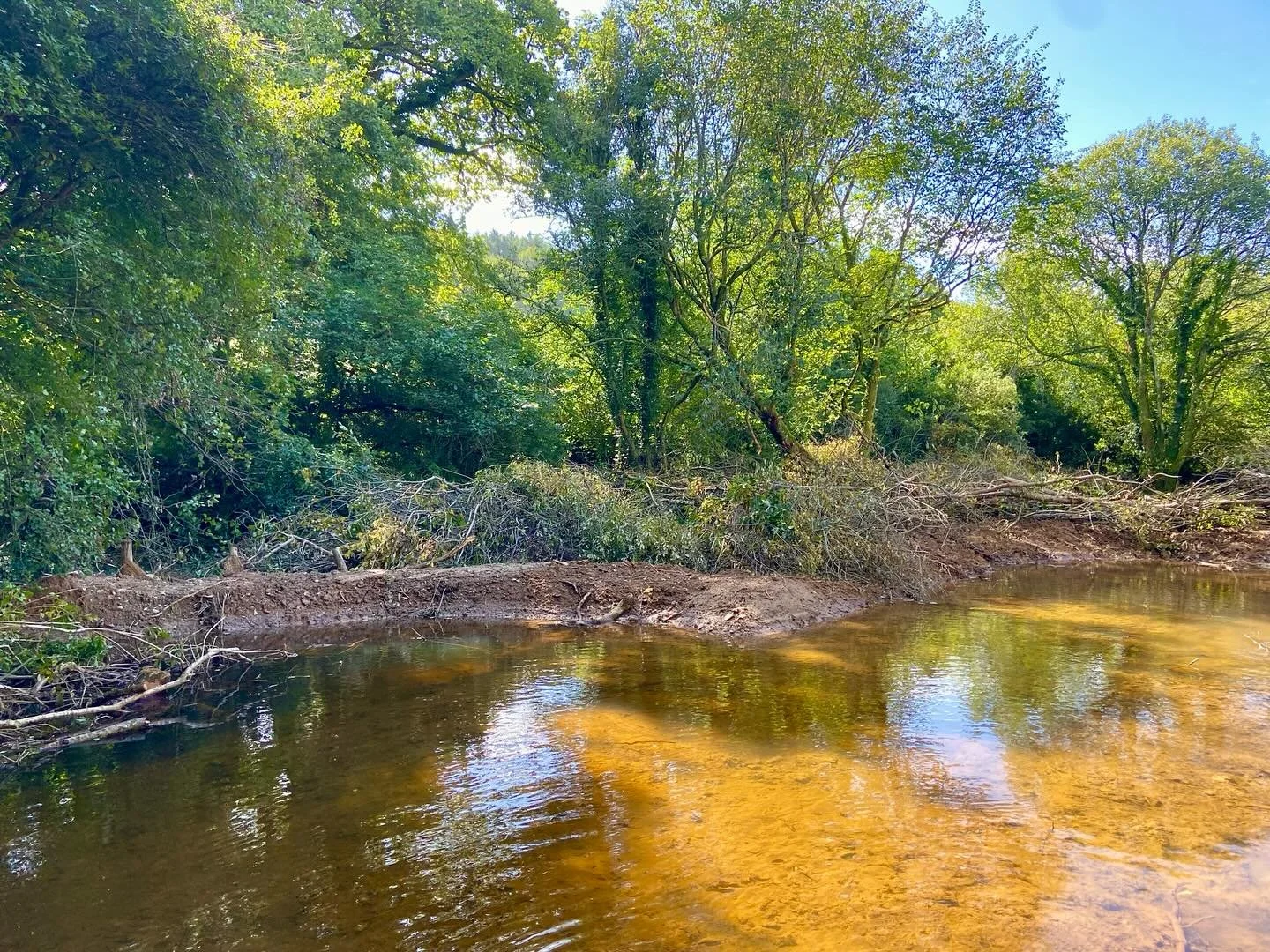
With funding from the Species Survival Fund, work on site focused on reversing that separation by allowing water back into parts of the floodplain it had been excluded from. This creates space for water to move more naturally across the landscape rather than remain confined within a single channel.
During the work itself, water returned to the floodplain more quickly than expected, to the point where machinery had to be moved as flow re-established across the site. It demonstrated how quickly the system responds once the connection is restored, as water begins to move back into the floodplain.
This approach sits within natural flood management, also known as rewetting, which focuses on restoring how water behaves across entire catchments. The aim is to hold more water within the landscape during wetter periods and retain soil moisture for longer during drier periods, creating resilience across both extremes.
WHY THIS MATTERS NOW
The conditions driving this work are becoming more visible across the UK. The Met Office has highlighted wet winters like 2023 to 2024, once considered 80-year events, are now closer to 20-year occurrences under current warming trends. A warmer atmosphere can hold around 7 percent more moisture per 1°C of temperature rise, increasing the likelihood of heavier rainfall when storms arrive.
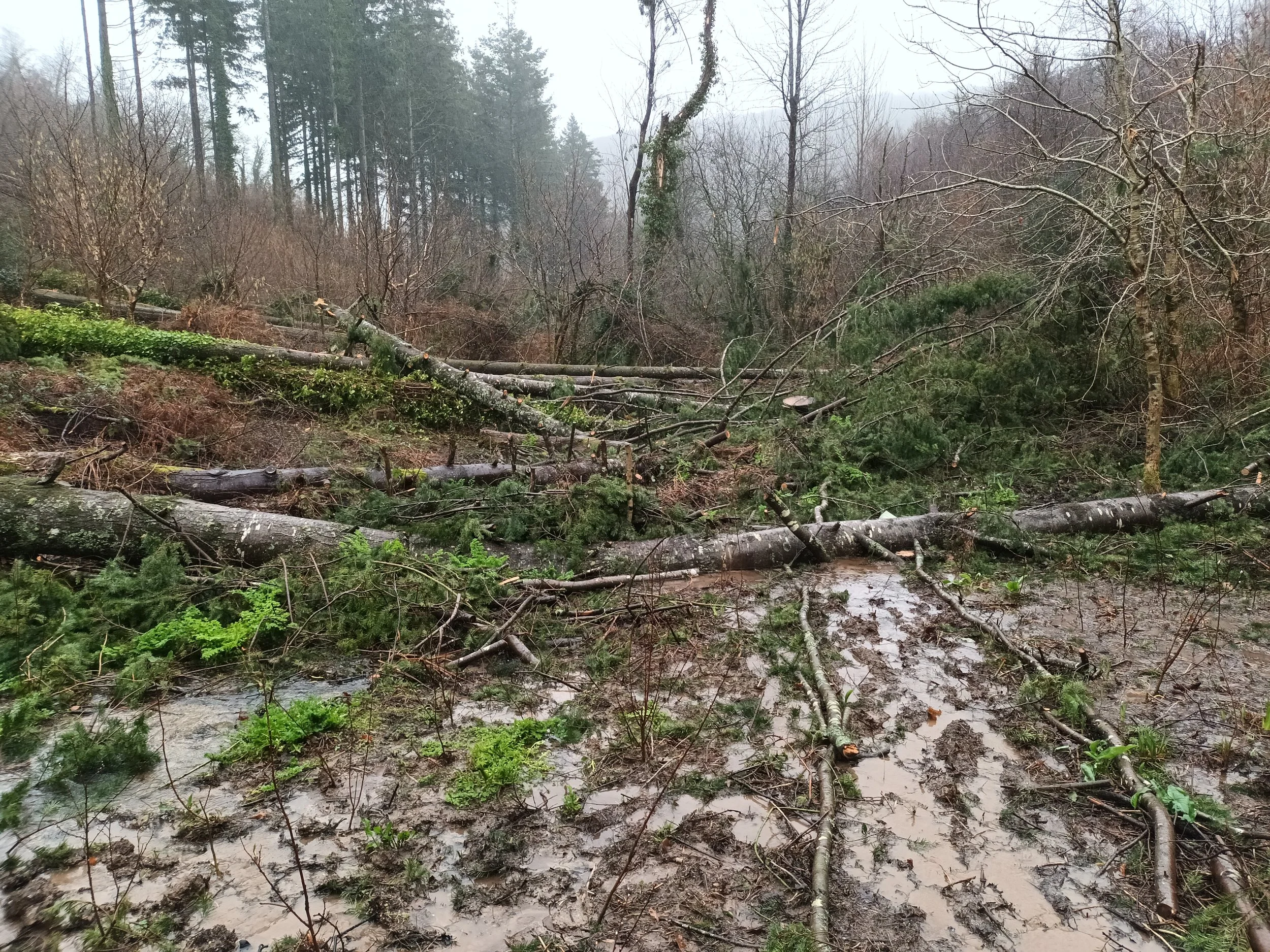
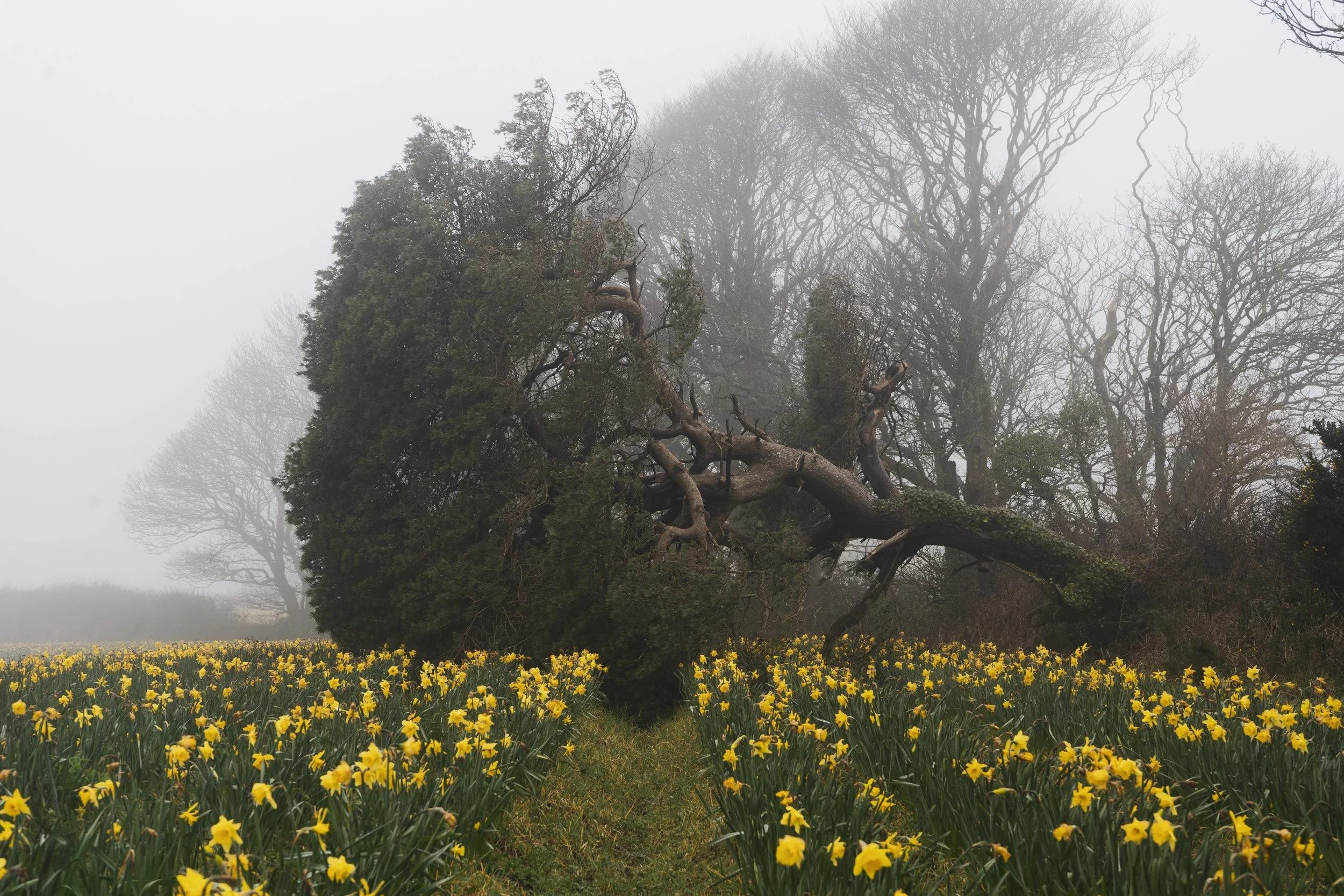
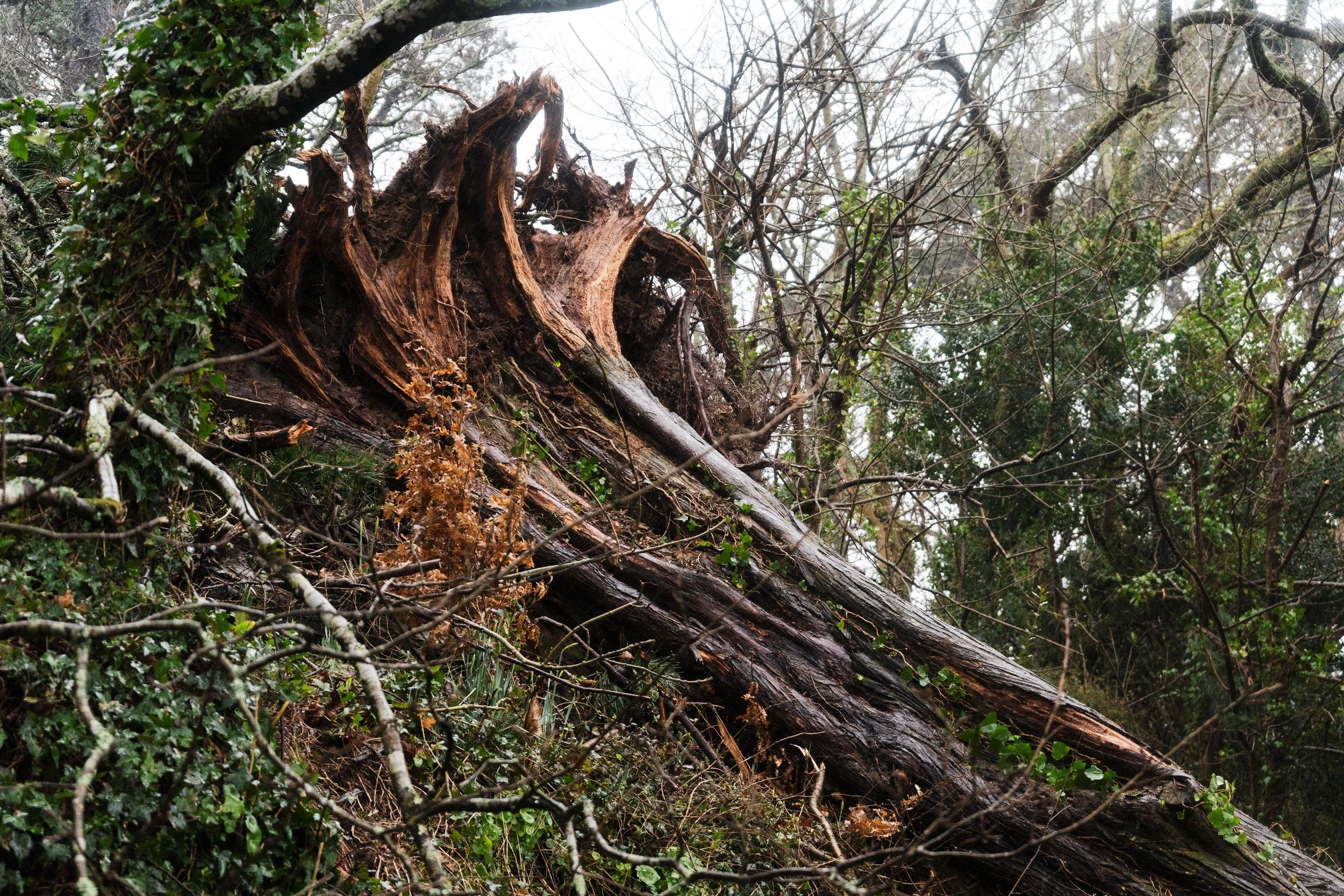
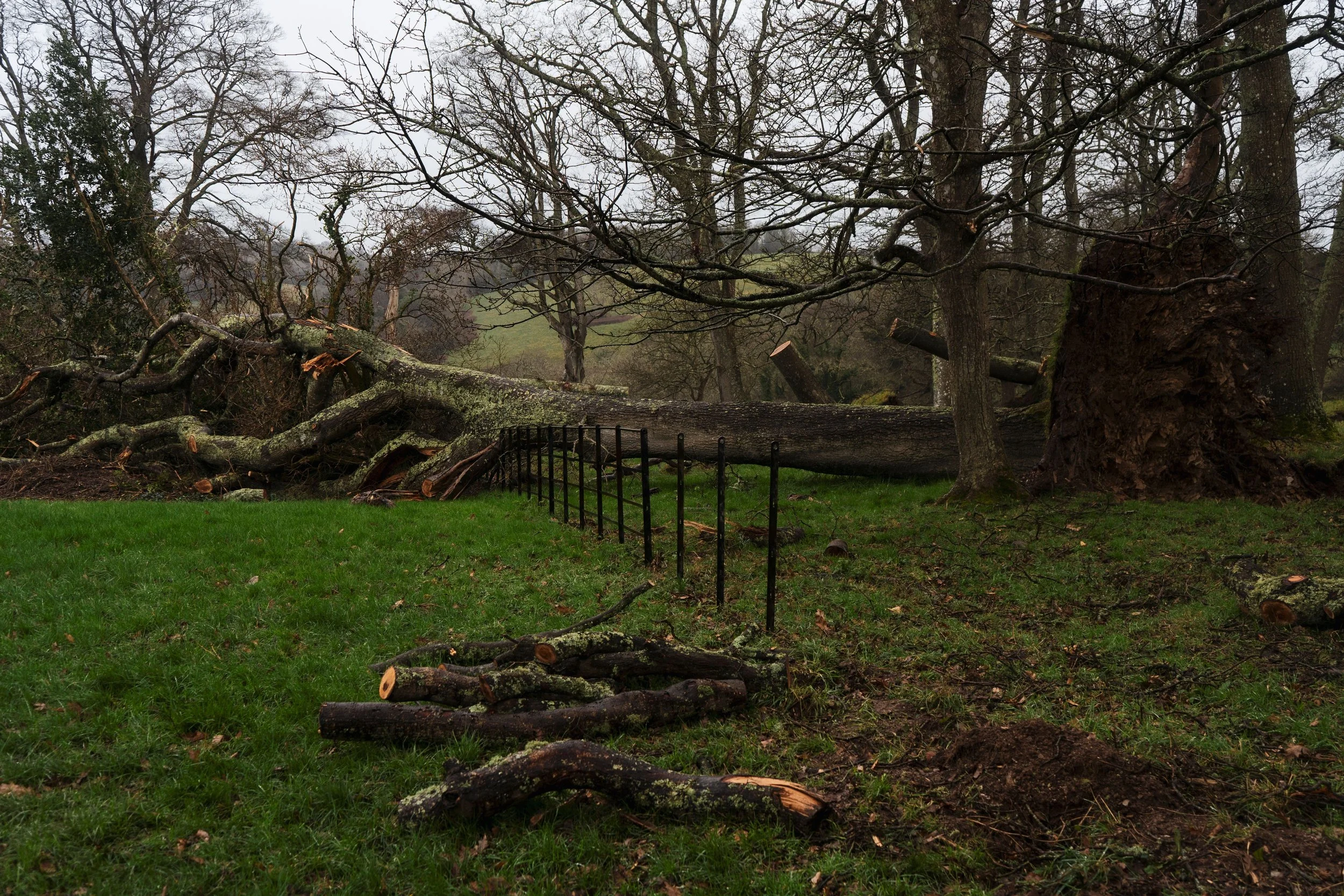
Over the past year, the South West of England has reflected this pattern clearly. Cornwall experienced its wettest January on record in 2026, with repeated storms bringing sustained rainfall onto already saturated ground. Storm Gorretti contributed to widespread disruption across parts of the UK, with fallen trees, flooded land and transport impacts recorded in multiple areas.
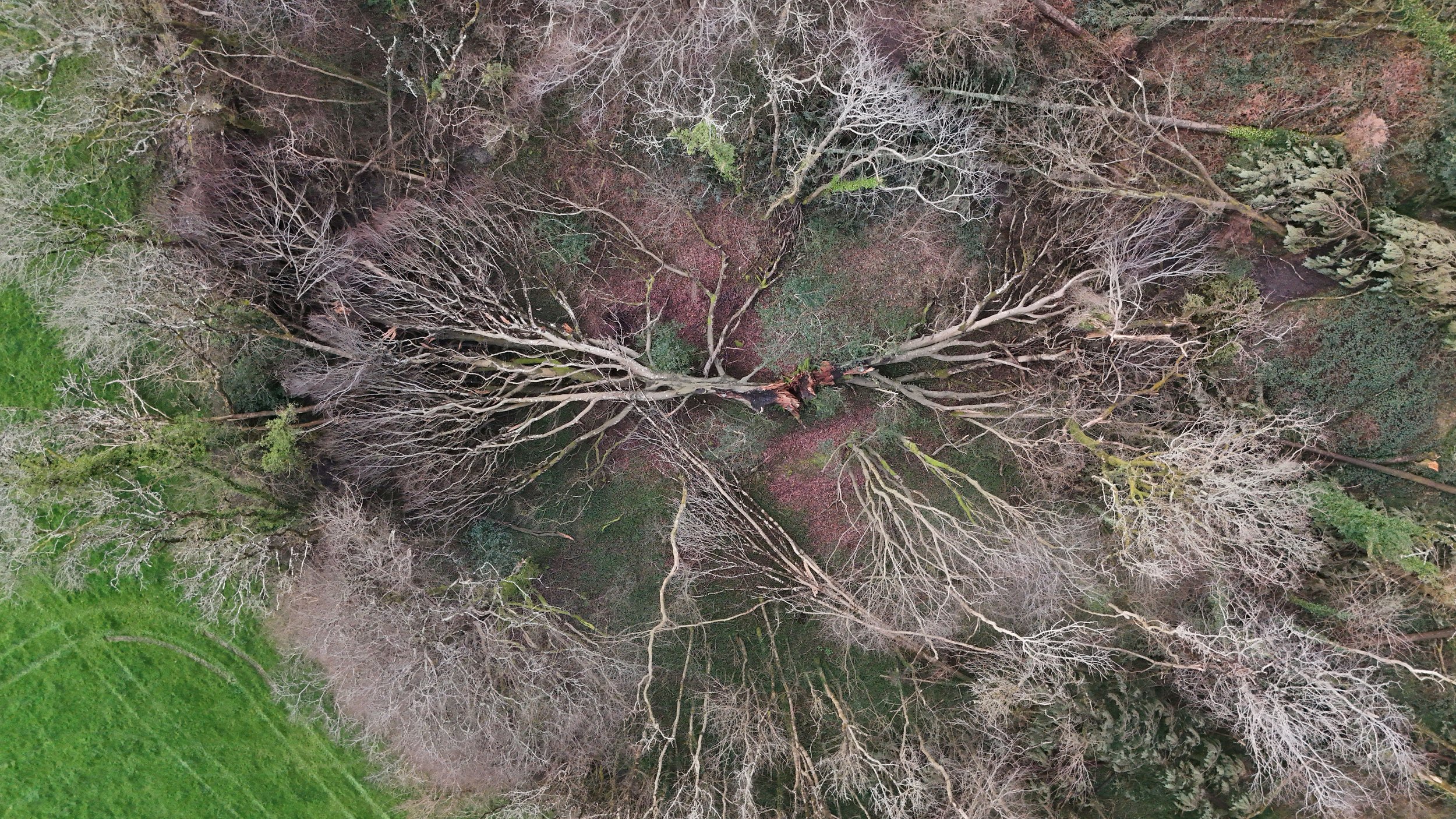
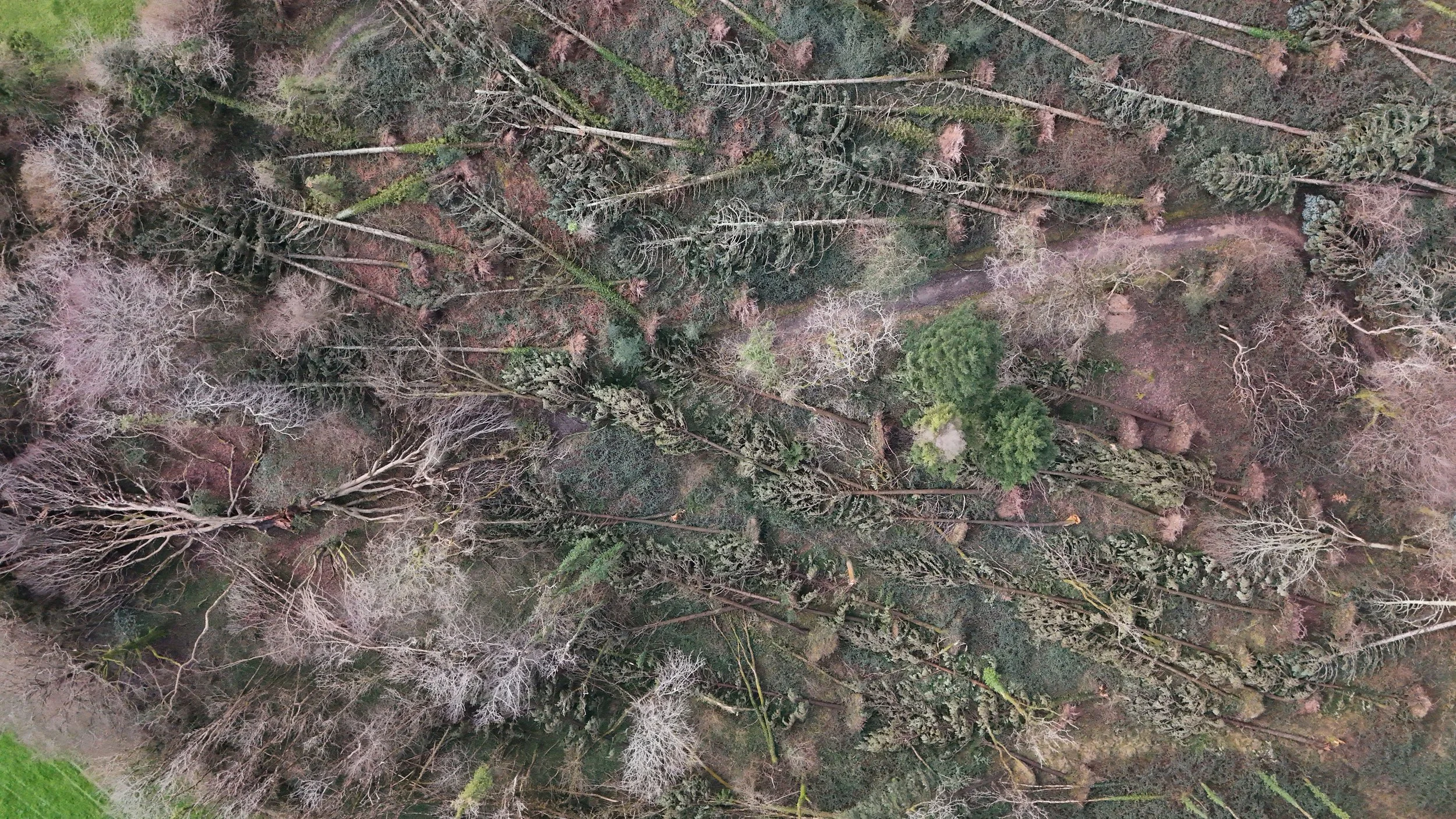
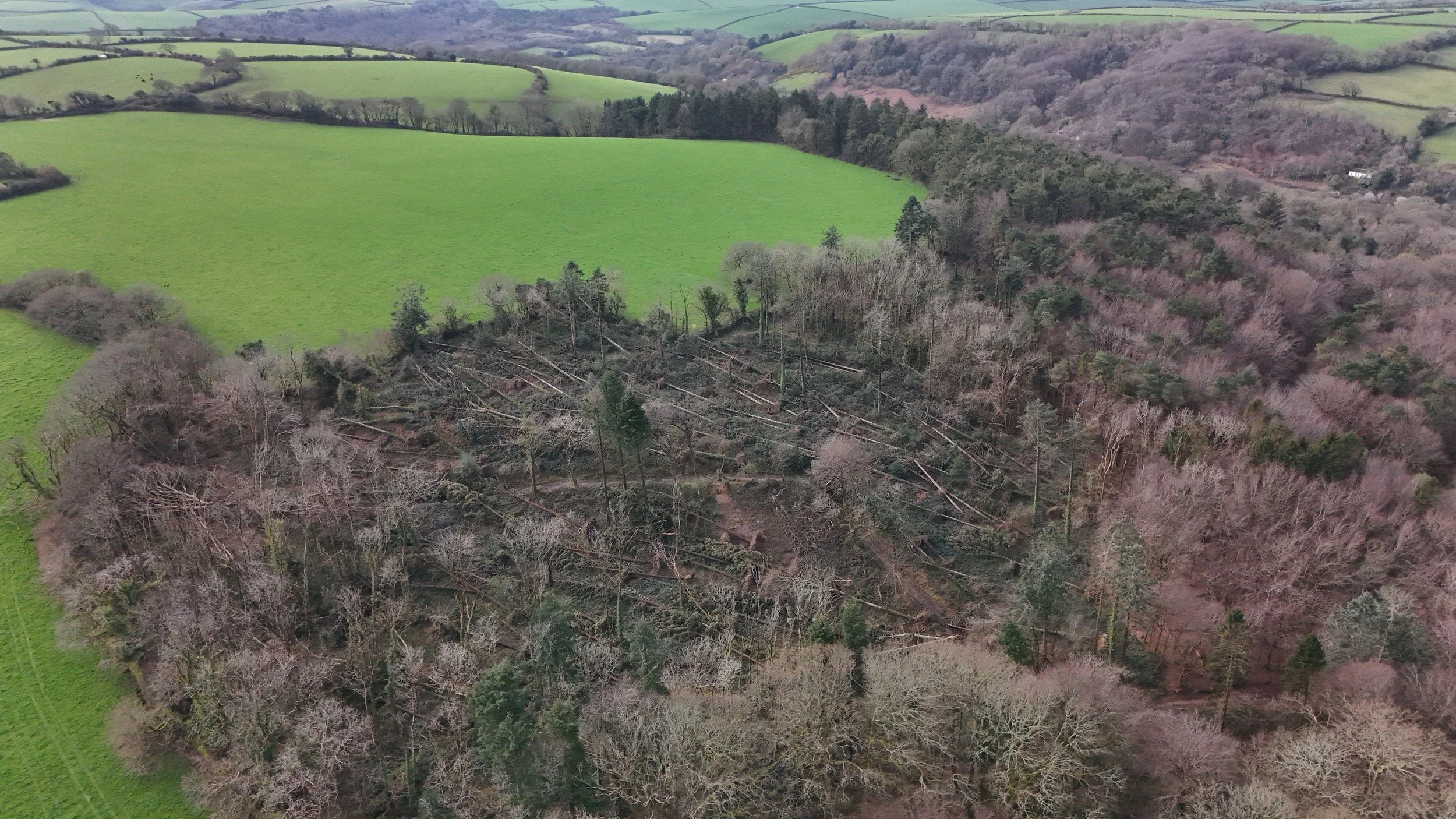
Photographs from Cornwall during these events, captured by Jasper Abel, show entire trees uprooted and exposed, their root systems lifted into the air. One of our own woodlands, Kingswood in St Austell, was badly affected with over a hectare and a half of trees blown over. The images capture not only storm damage, but also the longer-term strain placed on landscapes that are increasingly exposed to more intense rainfall and longer dry periods within the same seasonal cycle.
Restoring how water moves through the land
The principle behind rewetting is to change how water behaves within a catchment. Instead of being confined to a single channel, water is given space to spread across floodplains, slow its movement, and be held for longer within soils and woodlands.
Woodlands are key to a healthier and more resilient landscape. Tree roots improve soil structure, increase infiltration and reduce runoff, while canopy cover slows rainfall reaching the ground. Woodland soils are also able to hold significantly more water than compacted or drained land, helping regulate both high flows and dry periods.
Deadwood and natural woody material within rivers create habitat for invertebrates and fish while also helping retain moisture. Reintroducing these elements helps restore processes that have been altered through historical land management. Rewetting also creates conditions suitable for temperate rainforest species, which rely on cool and consistently humid environments.
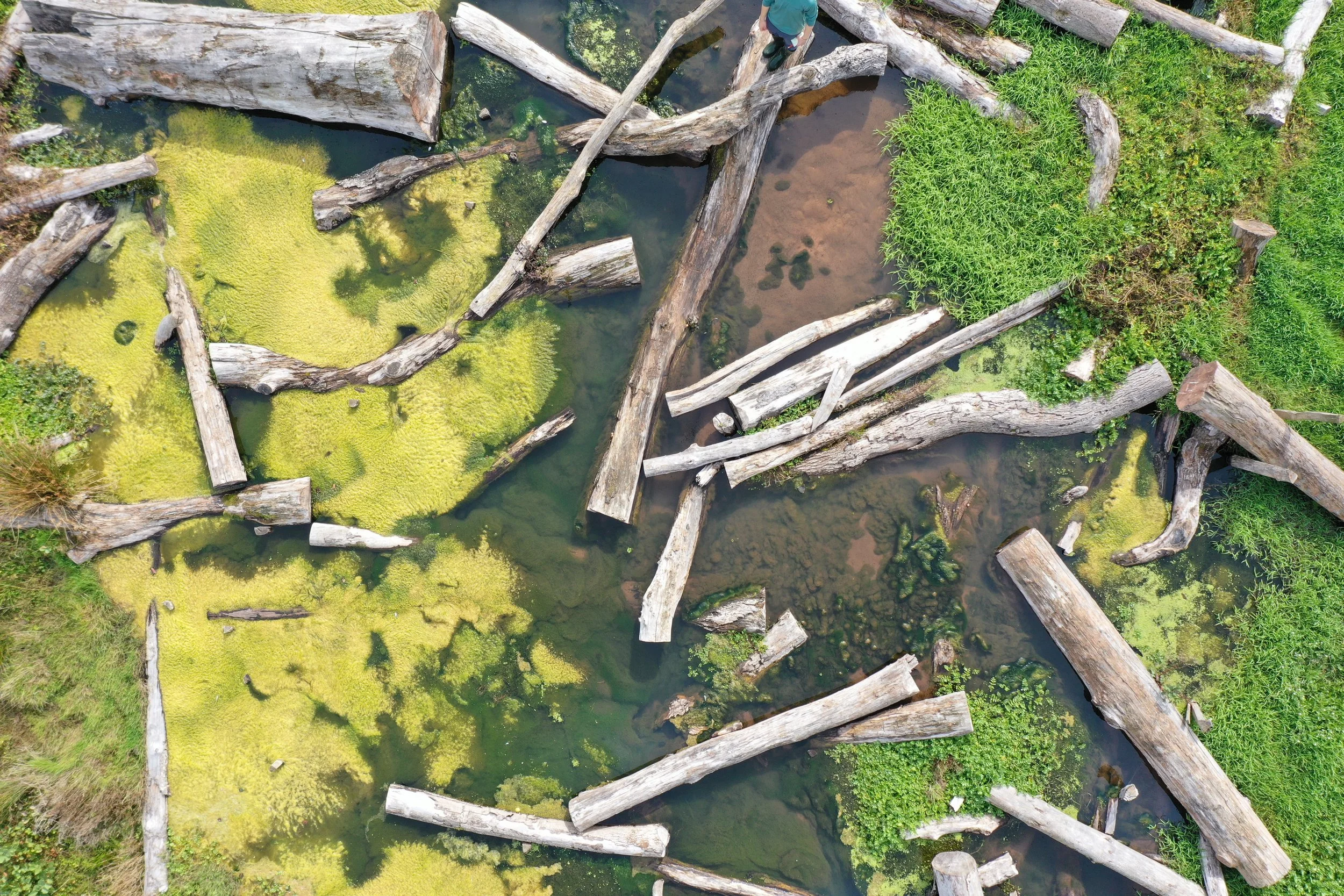
Natural flood management in Holnicote Estate using deadwood to hold water. Credit: Ghazaleh Nassaji Matin.
The UK remains one of the most nature depleted countries in Europe, with rivers, floodplains and wetlands heavily modified over centuries of drainage and development. At the same time, continued development pressure, including plans for around 1.5 million new homes during this Parliament, increases the importance of approaches that reduce downstream risk while also restoring ecological function.
Work explored in our Ocean Forest research highlights how forests, rivers and coastal waters are connected, with nutrients and sediments moving between land and sea. Healthy river and woodland systems can therefore influence estuaries, seagrass and kelp habitats far downstream, reinforcing the need to think at a catchment level rather than isolated sites.
Natural flood management points towards a simple but significant shift in perspective. Water is not something to be pushed through landscapes as quickly as possible, but something to be held, slowed and reconnected. At Avon Valley, that shift is already visible as the river moves back into its floodplain, finding space that had been closed off for decades.
To learn more, watch The Flooded Forest film-cast here.
We’re calling on the UK government to make #SpaceForWater by urgently supporting farmers and landowners to create and maintain a network of nature-rich river corridors. Visit Making Space for Water to become a campaign supporter.

Rainforest Recovery is the South West strand of The Rainforest Restoration Project. It is being led by the Woodland Trust in partnership with Plantlife. This project is funded as part of the Government's Species Survival Fund. The fund was developed by Defra and its Arm's-Length Bodies. It is being delivered on behalf of Defra by The National Lottery Heritage Fund.